
Reviewed · BELGRADE TOURS
Small Group Balkans Tour; Belgrade to Athens or Corfu in 14 Days
The big appeal here is simple: in 14 days, you cross seven countries and see the Balkans as a connected region, not as isolated capitals. Serbia, Bosnia and Herzegovina, Montenegro, Albania, Kosovo, North Macedonia, and Greece each bring a different mix of faiths, food, architecture, and painful modern history.
I especially like the mix of famous sights and smaller stops, from Belgrade Fortress and Mostar’s Stari Most to the farm restaurant at Mrizi i Zanave and the spring waters of Drilon. I also like the maximum group size of 10, which should make border crossings, hotel pickups, and walking tours easier to manage. The tradeoff is a busy schedule, with many long drives, uneven streets, and frequent changes of country.
Key points to know before booking
- Seven countries in one route: Serbia, Bosnia and Herzegovina, Montenegro, Albania, Kosovo, North Macedonia, and Greece.
- A true small-group trip: The group is limited to 10 people, with transport, a professional guide, and hotel pickup included.
- UNESCO highlights: Mostar, Kotor, Ohrid, Berat, Gjirokaster, Meteora, and the Monastery of Decan feature in the route.
- Food is part of the experience: Try Albanian byrek, qofte, raki, local produce, Balkan meat dishes, and traditional desserts.
- Two possible endings: Finish with hotel drop-off in Athens, or continue to Igoumenitsa Port with ferry tickets to Corfu.
- Plan for motion: You will change hotels and cross several borders, so this suits active people more than those seeking a slow resort holiday.
What this 14-day Balkan route does well
This is a sightseeing-heavy trip built around variety. You move from Serbia’s Danube and Sava rivers to Bosnia’s Ottoman streets, Montenegro’s Adriatic coast, Albania’s mountain towns, North Macedonia’s Lake Ohrid, and Greece’s monasteries and old cities.
That range gives the tour real value. Visiting seven countries independently would require careful planning, separate transport arrangements, and close attention to border routes. Here, the company handles the vehicle, road taxes, petrol, international car insurance, tourist taxes, and the basic route planning.
The experience is not built around luxury. Accommodation is in three-star hotels, with breakfast included each morning. Lunch, dinner, drinks, and snacks are extra, so you should keep room in your budget for daily meals and occasional paid food stops.
The guides are central to the experience. Guides named in the supplied information include Eri Veseli, Bledi, and Sokol, while Brikena and Sirma are also praised for their care and organization. The strongest comments focus on guides who explain the region’s history clearly, keep the group comfortable, and act as friendly companions rather than simply pointing out monuments.
A few more days out around Belgrade to weigh up
- Northern Serbia: Sremski Karlovci and Novi Sad Full-Day Tour from Belgrade
★ 5.0 · 425 reviews - Day Trip from Belgrade: Gems of Eastern Serbia
★ 5.0 · 424 reviews - Belgrade Nightlife Bar Pub Club Crawl with Drinks
★ 5.0 · 277 reviews
Day 1: Belgrade Fortress to Sarajevo
Your first morning begins with hotel pickup in Belgrade at about 8:00 a.m. The opening walk takes you through Belgrade Fortress and Kalemegdan Park, set above the meeting point of the Sava and Danube rivers.
The Pobednik monument, dating from 1913, gives you a strong first view of the city. From there, the route continues along Knez Mihailova, Belgrade’s main pedestrian meeting place, toward Republic Square.
This is a sensible introduction because it combines Serbia’s political and urban center with a large open park. You get history, river views, and a feel for daily city life before leaving the capital.
The drive toward Bosnia and Herzegovina includes a stop in Zvornik, on the Drina River. You have about an hour for lunch or a short walk. It is a modest stop, but it breaks up the road and gives you a chance to try local food.
By afternoon, you reach Sarajevo. The day covers a lot of ground, so do not expect an unhurried first evening. The reward is waking up in one of the Balkans’ most layered cities.
Day 2: Sarajevo, Latin Bridge, and Mostar
Sarajevo deserves careful attention, and the tour gives it much of the second day. You walk through Ottoman and Austro-Hungarian quarters, passing bazaars, mosques, churches, and synagogues.
The city’s recent past is visible in bullet holes and cannon marks. Your guide also explains the medieval Bosnian Kingdom and the origins of Sarajevo, placing the twentieth-century conflict within a much longer story.
Latin Bridge is an important stop. It is linked to the assassination of Archduke Franz Ferdinand, an event that helped trigger the First World War. The bridge itself is small, so the value comes from the explanation and the setting beside the Miljacka River.
You then continue to Mostar, one of the route’s major highlights. Stari Most, the sixteenth-century Old Bridge, is part of the UNESCO-listed old city and is built in an Islamic architectural style.
The nearby bazaar has cobbled lanes, old mosques, craft shops, and stones marked with reminders not to forget the city’s past. Mostar can feel busy and commercial in its central lanes, but the old streets still provide a strong sense of place.
Wear shoes with a firm sole. The route includes uneven ground and cobblestones, especially in Sarajevo and Mostar.
Day 3: Kotor’s stone lanes and mountain setting
Kotor takes you into Montenegro and another UNESCO-listed old city. Its narrow streets were designed in a confusing pattern to slow down raiders, and today that maze is part of the town’s charm.
You walk past old churches and buildings marked with plaques explaining their original use and construction date. Saint Luke’s Church is an important stop because it represents unity to local people.
The afternoon is free for your own exploration. That pause matters after two full days of city touring. You can wander without a guide, sit in a square, or revisit a lane that caught your eye.
The itinerary gives about two hours for the guided portion, plus free time. Kotor’s old town is compact, but its stone surfaces and narrow passages make comfortable footwear essential.
Same city, a completely different day out:
- Taxi to/from Belgrade Airport to/from Belgrade City Center
★ 5.0 · 241 reviews - Belgrade Big Tour: Top Attractions and Belgrade Neighborhoods
★ 5.0 · 232 reviews - Along the Danube: Golubac Fortress & Iron Gate Gorge day trip from Belgrade
★ 4.5 · 185 reviews - From Belgrade: Golubac Fortress & Iron Gate Danube Gorge
★ 4.8 · 185 reviews
Day 4: Budva, Sveti Stefan, and Shkoder
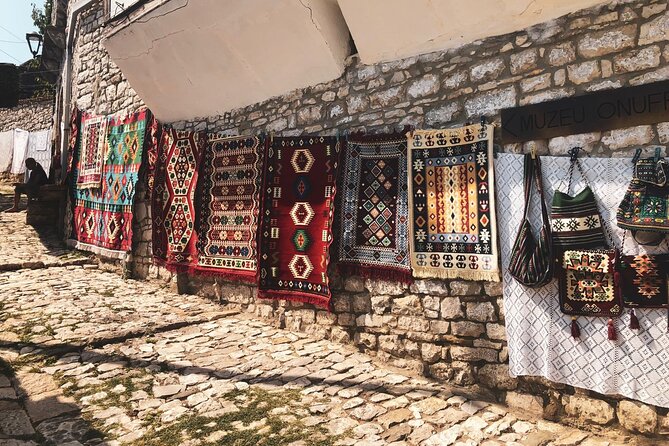
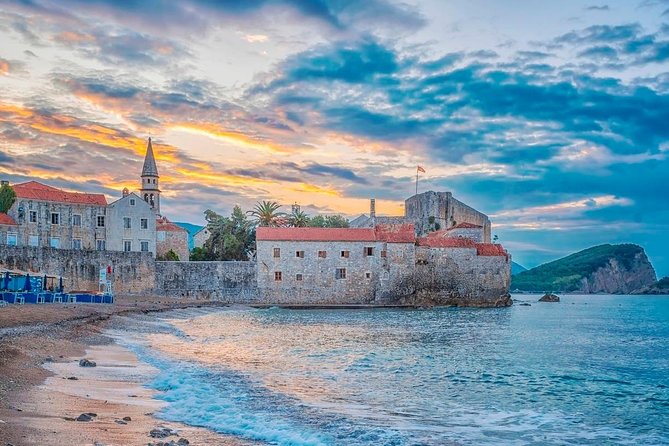
Budva offers a change of mood. It is a coastal resort town with a modern section full of shops, restaurants, bars, and newer buildings, plus a walled old town with churches and medieval streets.
The old section is the reason for the stop. You visit Saint Ivan Church, the small Church of Saint Mary, and the historic center. Budva is more tourist-oriented than some of the inland towns, so this is a shorter taste rather than a full coastal stay.
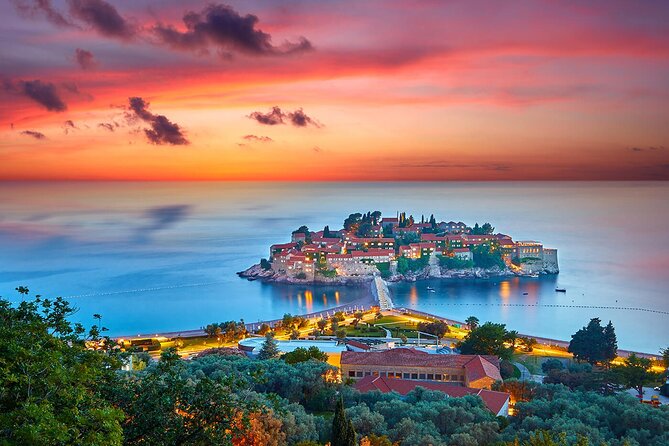
At Sveti Stefan, you stop at a viewpoint. The former fishing settlement now operates as an exclusive residential resort and cannot be visited as part of this tour. You can still take photographs from the coast, but keep your expectations clear: this is a scenic roadside stop, not an island visit.
Crossing into Albania, you reach Shkoder and Rozafa Castle. The castle provides views over the lake and the meeting of three rivers before they flow toward the Adriatic.
Shkoder’s Venetian influence and long settlement history add another layer. If your trip takes place in February, the city’s carnival may add a special touch, with handmade Venetian-style masks produced locally.
Day 5: Albanian farm food and Prizren
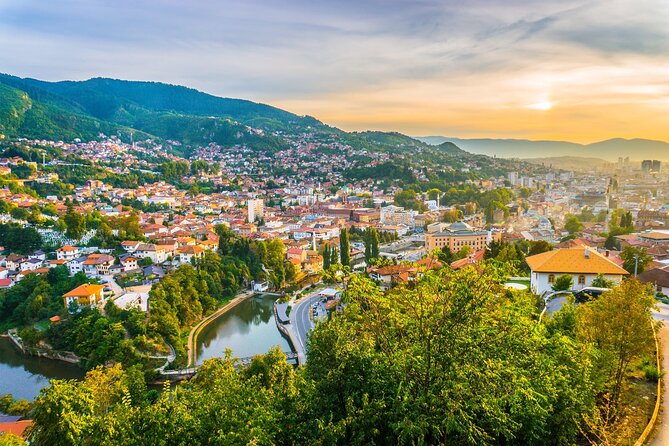
Mrizi i Zanave is one of the route’s most distinctive stops. This agro-tourism farm gathers, prepares, and preserves regional organic products, while old communist-era buildings have been adapted for storage.
You take a farm tour and learn how the family business created jobs for more than 400 people in the surrounding area. You also have time for lunch or for buying fresh produce.
This stop gives the route a welcome connection to working life. It is not just another fortress or old street. You see how regional food traditions can support local employment and small business.
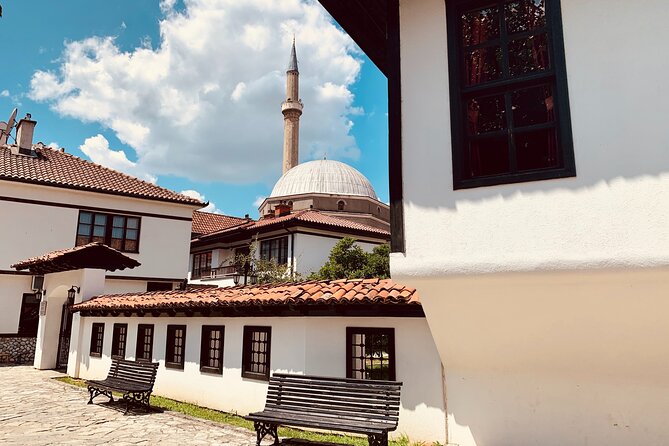
Later, you enter Kosovo and reach Prizren, a city shaped by Illyrian, Byzantine, and Ottoman periods. The river runs through the old town, crossed by several bridges, and the streets are well suited to wandering.
The Sinan Pasha Mosque is the main religious site, with colorful arabesque decoration. Then you climb to Kalaja Fortress for a broad view over Prizren. The walk uphill takes effort, but the panorama makes it worthwhile.
Day 6: Kosovo’s bazaar, monastery, and vineyards

Gjakova is home to Kosovo’s oldest and largest bazaar. It has been destroyed and rebuilt more than once, including after the Kosovo War, yet its traditional craft shops and local businesses remain active.
This is a good place to look for handmade items, though the tour does not include shopping costs. You also have time for a meal.
The Monastery of Decan brings a different cultural perspective. Orthodox monks still live there and produce food such as cheese. The monastery is known for its fourteenth-century frescoes and became a UNESCO site in 2004.
Expect security or access procedures at religious sites to be handled by the tour team, but the supplied details do not specify the exact process. Dress respectfully for the monastery and mosque visits.
The final stop is Rahovec Valley, Kosovo’s main wine-producing area. Grapes have been grown here since Illyrian times, and vineyards cover the gentle hills at elevations from 350 to 520 meters.
September brings the annual wine festival. If your dates do not match it, the stop still provides useful context about Kosovo beyond its cities and wartime story.
Day 7 and Day 8: Kruja and Tirana
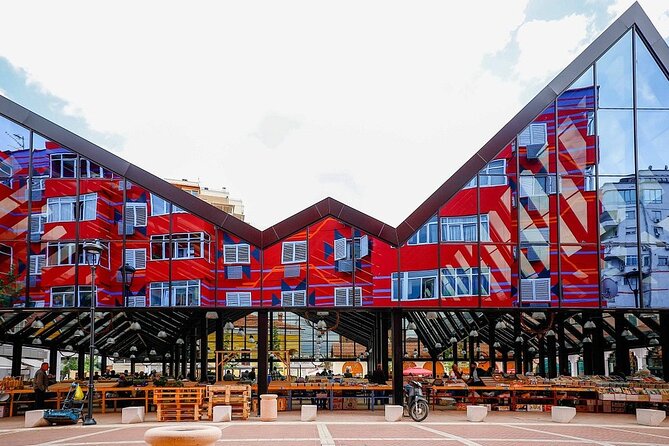
Kruja sits on rocky mountain terrain and is closely linked with Albanian resistance to Ottoman expansion in the fifteenth century. Its old bazaar is one of the largest and oldest in the Balkans.
The narrow lanes and wooden shops are ideal for browsing handmade carpets, jewelry, and other souvenirs. The nearby castle occupies a defensive hilltop, and the guide points out lesser-known paths once used to leave the fortress quietly during attacks.
Tirana then shifts the focus to modern Albanian life. Day 8 is built around food and everyday neighborhoods with a local companion.
You begin with byrek, a pastry filled with cheese, meat, or spinach. At Çam Bazaar, you can browse household goods and clothing and bargain with sellers.
The food walk continues with a traditional dessert, Albanian coffee, and lunch at the New Bazaar. Qofte, or grilled meatballs, comes with fresh bread, while vegetarians can have bread with gjize, a local cottage cheese. Raki is also included in the tasting.
BUNKART 2 provides the serious final note. The former Cold War bunker now houses a museum about the communist army and daily life under Enver Hoxha’s regime. It is a useful counterpoint to the castles and religious monuments seen earlier.
Day 9 and Day 10: Struga, Ohrid, and St Naum
North Macedonia begins at Struga, where you stop for a drink near the source of the Drin River. The setting beside the water offers a short, quiet break before continuing to Ohrid.
Ohrid and Lake Ohrid have UNESCO status, with the lake recognized as one of Europe’s oldest. The town has long been an Orthodox center, and the route includes viewpoints and religious sites such as Saint John, Saint Nicholas, and the Halveti Hayati Tekke.
The next day takes you to the Monastery of Saint Naum, positioned beside the source of the Crni Drim. Clear spring water, greenery, and mountain views make this one of the calmer stops on the trip.
You then cross back into Albania for Tushemisht and Drilon National Park. Drilon’s small spring-fed lake, willow trees, and quiet surroundings give you a slower hour before the road to Berat.
These two days are a strong reminder that the Balkans are not only about fortresses and political history. Water, monasteries, and lake towns provide needed breathing room.
Day 11 and Day 12: Berat and Gjirokaster
Berat is known for its many hillside windows and UNESCO-listed old quarters. People still live within the castle walls, which makes the fortress feel like a neighborhood rather than a museum shell.
You walk through steep stone lanes, visit the castle, and see old churches and mosques. The National Iconographic Museum Onufri explains the work of the famous church painter, whose distinctive reddish color remains difficult to reproduce.
The Gorica neighborhood and its old stone bridge complete the visit. Berat is one of the best places on the route for simply looking at houses, hills, and street details.
Gjirokaster, called the Stone City, offers another UNESCO-listed Albanian town. Its houses resemble small fortresses, while the medieval bazaar climbs toward the castle along narrow stone streets.
The town hosts a major folklore and traditional music gathering every five years. If your dates do not coincide with it, the bazaar still offers local crafts and a strong sense of old-town character.
Day 13 and Day 14: Ioannina, Meteora, and the final drop-off
Ioannina brings the journey into Greece. Its old town and Byzantine-era castle contain Ottoman and Byzantine traces, along with cafés where you can try local Greek dishes.
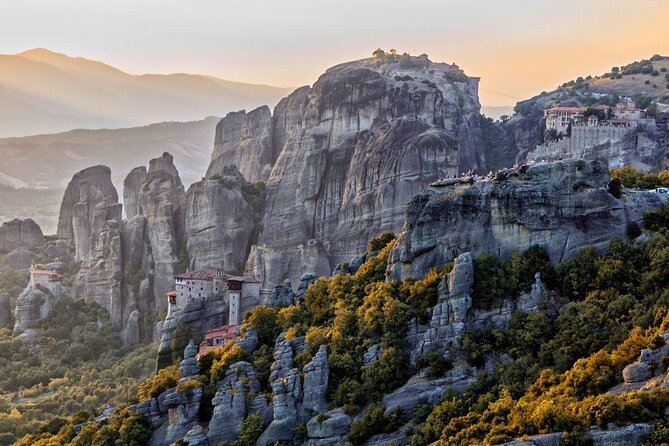
The road then continues to Meteora. Monasteries sit atop striking rock formations, and the schedule includes time to watch the sunset. The stop is short, about an hour, so the experience centers on the view rather than an extensive monastery visit.
On day 14, you are dropped at your Athens hotel. The alternative is drop-off at Igoumenitsa Port, with ferry tickets included for the onward trip to Corfu.
That choice makes the tour useful for two different holidays. You can finish with an Athens stay, or connect directly with a Greek island break.
Price, hotels, transport, and daily costs
At $4,833.96 per person, this is a major purchase. The value depends on how much planning you want removed from your hands.
The price includes 13 breakfasts, 13 nights in three-star hotels, transport, a professional guide, hotel pickup in Belgrade, road costs, petrol, insurance for the vehicle, tourist taxes, listed entry fees, and either Athens or Igoumenitsa drop-off. The ferry to Corfu is included on the Corfu version.
It does not include lunch, dinner, drinks, snacks, souvenirs, or personal spending. You should budget separately for these every day. Room pricing is based on double, twin, triple, or quadruple occupancy, so a solo traveler should confirm any single-room supplement before paying.
The small vehicle and group cap are valuable here. Seven countries mean several border crossings and many hours on the road. Having one company manage the route is convenient, but the schedule remains active and cannot be treated as a relaxed coach holiday.
The tour begins at 8:00 a.m. Pickup is offered from your Belgrade hotel. You need your own health and travel insurance, and weather, strikes, holidays, closures, or other outside events can change the schedule.
Who should book this Balkan tour?
I would choose this trip if you want a broad first look at southeastern Europe and prefer guided logistics over independent planning. It suits people who enjoy old towns, religious sites, regional food, recent history, and long scenic drives.
The route is also a good fit if you want to meet a small group. The maximum of 10 creates a more personal setting than a large bus, and guides such as Eri Veseli, Bledi, and Sokol are noted for clear explanations, flexibility, and companionship.
I would hesitate if you want long stays in each city, beach time in Montenegro, or several unplanned afternoons. The itinerary moves quickly, and some stops are brief. You should also be comfortable with cobblestones, uneven terrain, early starts, and border delays.
The cancellation rule is strict: the booking is non-refundable and cannot be changed for any reason. Tip the guide and driver if you feel the service deserves it. Tipping is not required in the Balkans, but it is recommended as an international custom for good service.
Should you book it?
Book this tour if your goal is to see as much of the Balkans as possible in two weeks without arranging seven national itineraries yourself. Its best moments come from the contrast between major sights such as Stari Most and Meteora and smaller experiences such as Mrizi i Zanave, Rahovec’s vineyards, and Drilon’s springs.
Skip it if you want a slow, single-country holiday. The strongest reason to choose this route is its reach, and its main weakness is the same thing: you cover a lot of ground. For an active first trip through the region, the balance of history, food, scenery, and practical support makes the high price easier to justify.
FAQ
How long is the tour?
The tour lasts approximately 14 days.
Where does the tour begin?
It begins in Belgrade, Serbia, with hotel pickup offered at about 8:00 a.m.
Which countries does the tour visit?
The route visits Serbia, Bosnia and Herzegovina, Montenegro, Albania, Kosovo, North Macedonia, and Greece.
Where does the tour end?
You can finish with hotel drop-off in Athens or at Igoumenitsa Port, where ferry tickets to Corfu are included.
How many people can join the tour?
The maximum group size is 10 people.
What accommodation is included?
The package includes 13 nights in three-star hotels, with room pricing based on double, twin, triple, or quadruple occupancy.
Are meals included?
Thirteen breakfasts are included. Lunches, dinners, drinks, snacks, and personal food purchases are not included.
Are entrance fees included?
Entry tickets for the sites listed as included are covered. The itinerary specifically includes admission to the Sinan Pasha Mosque, Kalaja Fortress, BUNKART 2, the Monastery of Saint Naum, and the National Iconographic Museum Onufri.
Is travel insurance included?
No. Every participant is responsible for arranging their own health and travel insurance.
Just added around Belgrade
- Private Walking Tour of Belgrade and Old Zemun★ 5.0 · 3 reviews
- Feel Belgrade Welcome tour★ 4.5 · 3 reviews
- From Belgrade: Danube Day Trip with Wine and Brandy Tasting★ 5.0 · 3 reviews
- Private Half Day Serbia Tour Novi Sad and Petrovaradin Fortress★ 5.0 · 3 reviews
- Private Wine Tasting by Party in Belgrade★ 5.0 · 3 reviews
- Belgrade: The White Emigration in Serbia in the Wake of the Russian Revolution★ 5.0 · 3 reviews
- Zica and Studenica monastery From Belgrade★ 5.0 · 3 reviews
- Belgrade Fashion and Design Tour – Discover Local Designers★ 5.0 · 4 reviews
Belgrade Tours, compared.
Northern Serbia: Sremski Karlovci and Novi Sad Full-Day Tour from Belgrade
Read our review →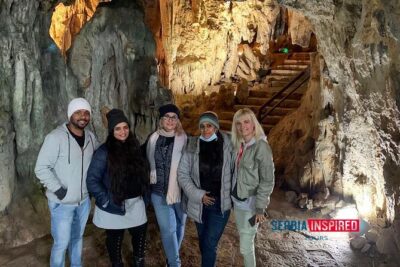
Day Trip from Belgrade: Gems of Eastern Serbia
Read our review →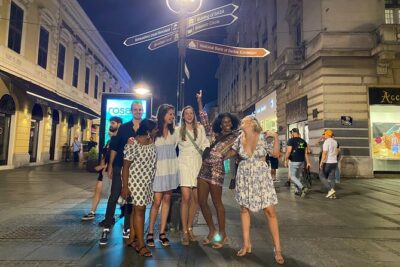
Belgrade Nightlife Bar Pub Club Crawl with Drinks
Read our review →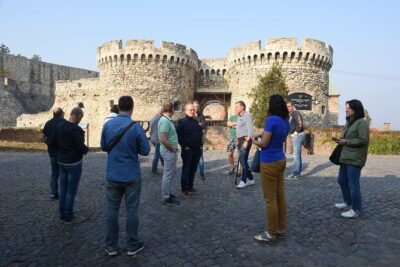
Belgrade Big Tour: Top Attractions and Belgrade Neighborhoods
Read our review →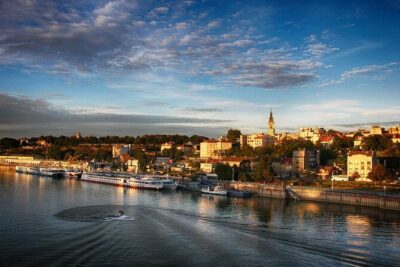
Along the Danube: Golubac Fortress & Iron Gate Gorge day trip from Belgrade
Read our review →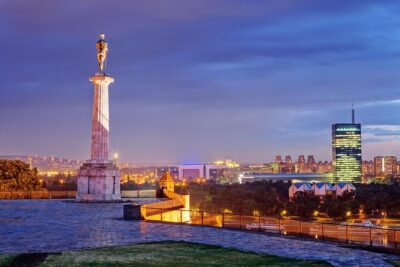
Belgrade Underground Tour w/ Sparkling Wine Along the River
Read our review →Browse the lists this tour appears in