
Reviewed · BELGRADE TOURS
Architecture of New Belgrade – Brutalism Decoded
New Belgrade makes its first impression in concrete, marble, and monumental scale. This private tour explains why the district was built as a modern socialist city, then connects its grand public buildings with the ordinary homes, schools, shops, and sports courts that made daily life work.
I like the close look at Genex Tower and the way the tour links architecture with real life in the apartment blocks. I also like the private format, which gives you more room to ask questions and makes it easier to focus on the buildings that interest you most.
The main drawback is the pace. The tour is advertised at about two and a half hours, but one published account found it closer to two hours and felt the guiding lacked warmth. If you want long interior visits, this may feel brisk.
Key points about decoding New Belgrade
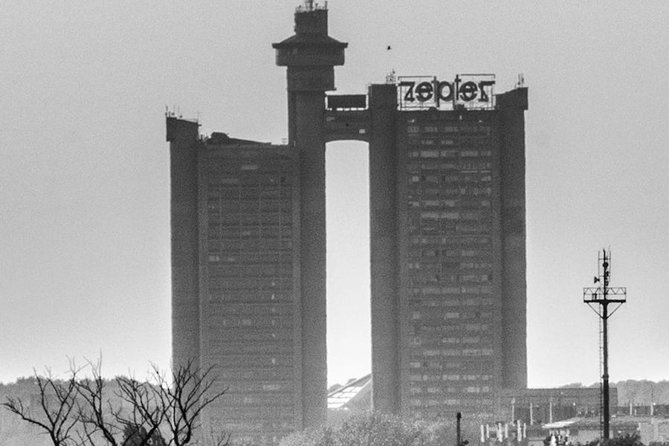
- Genex Tower is the visual star: Get close to the 30-floor Western City Gate, one of Belgrade’s most memorable examples of brutalist design.
- The tour visits five major sites: The Museum of Contemporary Art, Park of Friendship, Genex Tower, Sava Center, and Primary School Laza Kostić.
- Architecture comes with social context: You hear how New Belgrade was planned around housing, schools, child care, shops, and recreation.
- The private format matters: Your group takes the tour alone, so you can ask more questions than you usually could on a large group walk.
- The route crosses several periods of Yugoslav design: You see early modernism, concrete expressionism, ambitious state projects, and late socialist construction.
- The meeting points are practical: Start at the Museum of Contemporary Art in Ušće and finish at the Sava Center.
Why New Belgrade is worth seeing
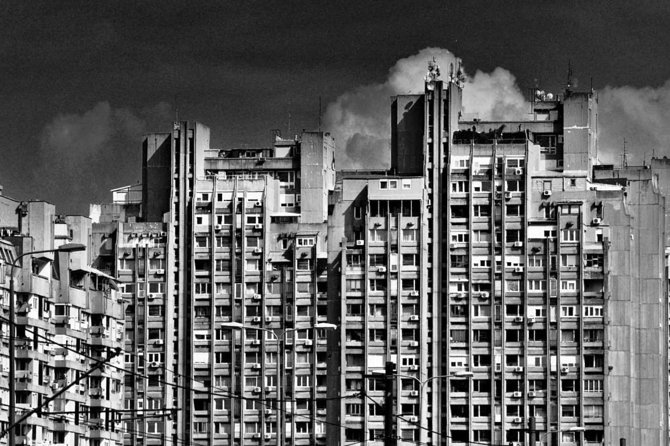
Many first-time trips to Belgrade focus on the old fortress, Knez Mihailova Street, and the cafés of Stari Grad. New Belgrade offers a very different story. It is the city of broad avenues, planned housing blocks, huge civic buildings, and bold architectural experiments built during Yugoslavia’s socialist period.
The district can look plain at first glance. That is exactly why a guide helps. Without context, a concrete apartment block is simply a concrete apartment block. With a good explanation, you begin to see the planning behind it: where families lived, where children went to school, where people shopped, and how public buildings were meant to express a confident, independent state.
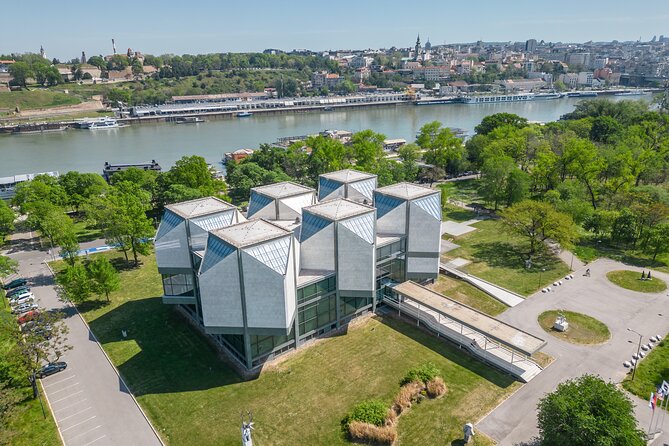
This tour also helps correct the lazy idea that socialist architecture was always cheap or dull. The Museum of Contemporary Art is a fine opening example. Its 1960s forms and carefully chosen marble surfaces do not fit the usual image of gray, utilitarian construction. The building reflects a period when Yugoslav architects were looking outward and developing their own modern style.
The tour is not just about style names. It is about political ambition, public life, and the gap between a planned ideal and the harder years that followed. That mixture gives the experience more substance than a simple architecture photo walk.
A few more days out around Belgrade to weigh up
- Northern Serbia: Sremski Karlovci and Novi Sad Full-Day Tour from Belgrade
★ 5.0 · 425 reviews - Day Trip from Belgrade: Gems of Eastern Serbia
★ 5.0 · 424 reviews - Belgrade Nightlife Bar Pub Club Crawl with Drinks
★ 5.0 · 277 reviews
Starting at the Museum of Contemporary Art
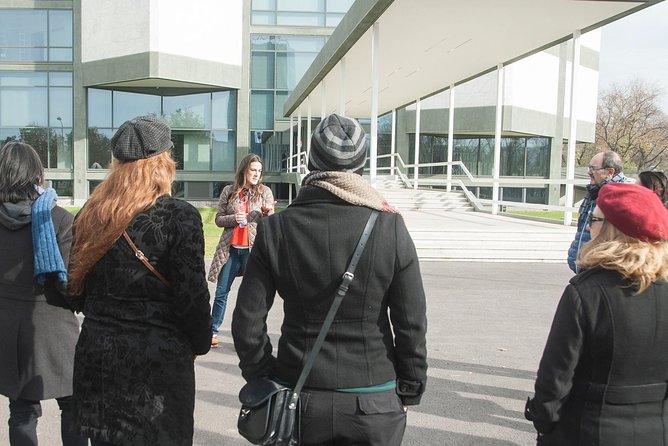
You meet your guide outside the Museum of Contemporary Art at Ušće. The museum itself is the first major building on the route, and the guide uses its design to set up the larger story.
You will look at the building’s modernist volumes from outside and discuss its marble facades. The contrast is useful: this was socialist Yugoslavia, but it was not following one fixed architectural rule. Yugoslavia broke with Stalin in the late 1940s and developed a more independent political and cultural direction. Architecture became one way to show that independence.
The museum visit listed for this tour is an exterior discussion. Admission is not included, so do not book this experience expecting a museum collection visit. If you want to see the exhibitions, you would need to arrange that separately.
Allow about 20 minutes here. That is enough time to understand the building’s role and take in its shape, but not enough for a detailed architectural lecture on every facade. I like this as an opening because it starts with a building that looks refined rather than purely imposing.
Park of Friendship and the Non-Aligned message
The next stop is Park of Friendship, or Park Prijateljstva, where the tour shifts from architecture to international politics and public symbolism.
The park was founded in 1961 in Belgrade, when heads of state planted trees as symbols of peace. It is tied to the Non-Aligned Movement, which brought together 120 countries. This gives you an important piece of Yugoslav history that is easy to miss if you only see Belgrade through its medieval and Ottoman past.
The stop lasts about 15 minutes and has no admission charge. The park is not presented as a long nature walk. Instead, it is a place to discuss how Yugoslavia positioned itself between the Soviet-led East and the Western powers. That political balancing act helps explain why New Belgrade’s architecture could feel both socialist and internationally minded.
I would pay attention here to the difference between a building and a planned public space. The park was not just decoration. It was a stage for diplomacy, peace, and state identity. That is the sort of context that makes the later buildings easier to read.
Passing the Government Building
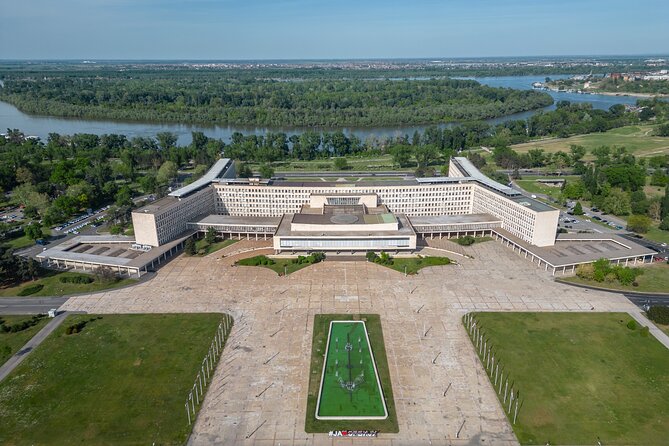
Between the listed stops, the route passes the huge Government Building. You do not appear to make a full scheduled visit here, so treat it as a drive-by sight rather than a stop where you can study every detail.
Its importance is political. Construction began during an earlier phase of Yugoslav policy, and the building experienced the country’s shift away from Stalin while work was still under way. That change gives the structure a useful place in the story of New Belgrade: the district was being built while Yugoslavia itself was working out what kind of socialist state it wanted to be.
This brief pass also helps show the scale of the district. New Belgrade was planned for major institutions, not just housing. The broad spaces and large government projects were meant to support a new capital-like center across the Sava River.
Same city, a completely different day out:
- Taxi to/from Belgrade Airport to/from Belgrade City Center
★ 5.0 · 241 reviews - Belgrade Big Tour: Top Attractions and Belgrade Neighborhoods
★ 5.0 · 232 reviews - Along the Danube: Golubac Fortress & Iron Gate Gorge day trip from Belgrade
★ 4.5 · 185 reviews - From Belgrade: Golubac Fortress & Iron Gate Danube Gorge
★ 4.8 · 185 reviews
Genex Tower, Belgrade’s Western City Gate
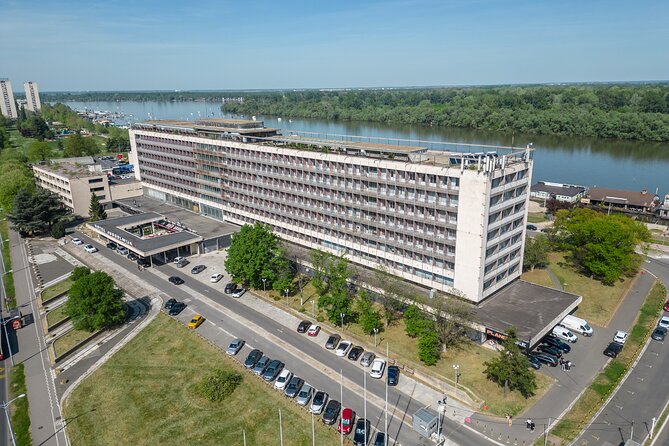
Genex Tower is the point where the tour becomes especially visual. You stop at Narodnih heroja 45 for a close look at the Western City Gate of Belgrade, a 30-floor structure built about 40 years ago.
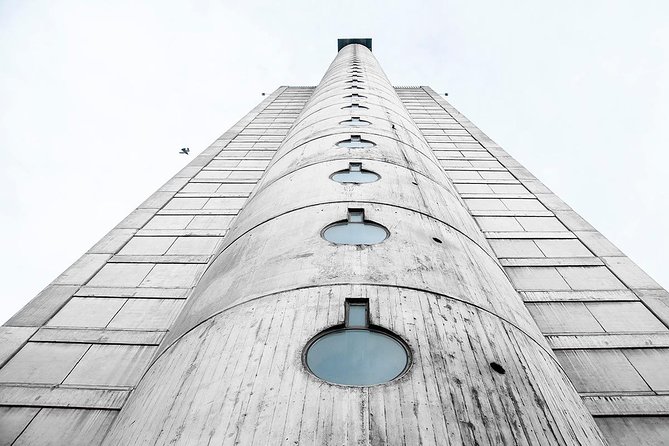
The design is hard to confuse with anything else in the city. Two tall sections are linked by a high structure, creating a dramatic gateway form. Even if you are not an architecture specialist, the building gives you plenty to discuss: height, repetition, exposed concrete, circulation, and the relationship between a landmark and the city around it.
The tour presents Genex as the first smart building in the Balkans and notes its place in international architecture reviews as an important brutalist work. The term brutalism is often used loosely, but here the focus is more useful. You can consider how raw or powerful materials, massive shapes, and structural expression were used to create identity rather than merely to save money.
The stop lasts about 20 minutes and admission is free. You will have time to see the tower up close and hear its place in New Belgrade’s development. This is also the best stop for photographs, though the appeal is more than a quick picture. The guide can explain why the tower became such a recognizable symbol of the district.
One practical point: the tour gives you an exterior look. It does not promise access to private or restricted parts of the tower. If your main goal is a long visit inside Genex, check expectations before booking.
Sava Center and late 1970s ambition
The Sava Center is the final stop for most of the architectural route. Built in the late 1970s in record time, it was the first building of its kind in this part of Europe. It remains in use as a congress center, which gives the visit a different feel from seeing an abandoned or purely historical structure.
You will look at the building’s huge scale and hear about interior solutions that still feel fresh after four decades. That point matters. Good modern architecture is not only about an eye-catching exterior. It also has to guide crowds, handle events, connect rooms, and make large spaces usable.
The scheduled stop is about 15 minutes. That is enough for an introduction, but it is not a full guided tour of every hall and corridor. The Sava Center is also the end point at Milentija Popovića 9, so you can continue with your own plans afterward.
I like finishing here because the building brings together many themes from the tour. It is ambitious, public, international, and practical. It also shows how New Belgrade was intended to host large meetings and events, not simply house a growing population.
Block 23 and the everyday city
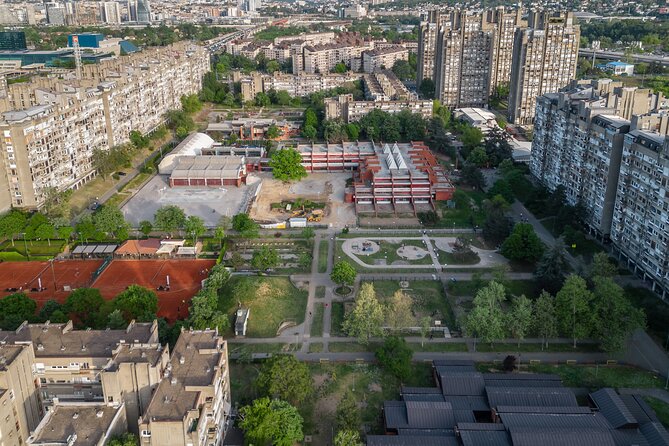
The stop at Primary School Laza Kostić takes you into Block 23, described as the most representative public housing project on the route. Here the focus shifts from famous landmarks to the daily structure of city life.
You will see how the apartment buildings were planned alongside a school, kindergarten, sports courts, and a small shopping mall. This is concrete expressionism with a social program behind it. The point was not simply to erect towers and fill them with residents. The plan attempted to provide the services people needed close to home.
For me, this is one of the most useful parts of the experience. A grand tower can tell you about state ambition, but a school and local shopping center tell you how that ambition affected families. You can ask what it meant to live in a district designed around shared facilities rather than an old street network.
The guide also brings in personal stories about life in the blocks during their strong decades of the 1960s, 1970s, and 1980s, followed by the more difficult experience of the 1990s. That human scale is what keeps the tour from becoming a parade of concrete facades.
The stop lasts about 15 minutes. It is not a full exploration of every building in Block 23, but it provides a clear example of how New Belgrade worked as a planned community. If you are interested in housing, city planning, or modern social history, this may be the stop that stays with you longest.
What the private format adds
Only your group participates, which changes the rhythm of the experience. You can ask why one building uses marble while another relies on heavy concrete, or pause for a photograph without waiting for a large crowd to gather.
The private arrangement is also useful because New Belgrade is spread out. This is not a compact walking route through one old quarter. The itinerary includes a drive-by section and several separated sites, so having a guide organize the sequence saves you from trying to connect them on your own.
The guide named in one especially positive account is Xenia. That account praised her explanations of New Belgrade’s history and architecture, along with the way she connected the buildings to ordinary city life. Another strong assessment highlighted a guide who arrived on time and brought attention to the human side of the city, not just its monuments.
That personal quality matters here. Brutalist buildings can be interesting but cold. The best version of this tour explains who used them and how their meaning changed over time.
Timing, cost, and practical value
The price is $86.42 per person, and the experience lasts about two and a half hours. For a private tour in English covering five significant sites, that can be fair value, especially if you are traveling with a small group and want a focused introduction rather than a general city tour.
The value depends on your interests. If you enjoy modern architecture, urban planning, or Yugoslav history, the tour packs a lot into one morning or afternoon. You are not paying only for transport between buildings. You are paying for interpretation, route planning, and access to a specialist subject that is not usually covered in standard Belgrade sightseeing.
If you mainly want interior access, the value is less clear. The Museum of Contemporary Art admission is not included, and the listed stops are short. You should think of this as a guided overview with selected close looks, not as a museum tour or a full architectural survey.
The overall published score is 4.6 from 24 ratings, with 92 percent of customers recommending it. The praise centers on punctual guiding, strong explanations, the personal stories, and the chance to see a side of Belgrade away from the standard sightseeing route. A separate assessment described the experience as disappointing, citing less than two hours and a lack of preparation and empathy. That warning is worth keeping in mind: the quality of a private tour depends heavily on the guide and the pace on the day.
You receive booking confirmation when you book. The tour is offered in English, is near public transportation, and most people can participate. Free cancellation is available if you cancel at least 24 hours before the start time. Changes or cancellations inside that window are not refunded.
Who should book this New Belgrade tour
I would recommend it to you if you have already seen central Belgrade and want a different side of the city. It is especially well suited to people who like architecture, city planning, public housing, modern political history, and photography.
It also works for curious first-time visitors who want to understand how Belgrade expanded after the Second World War. The tour gives you a framework, then you can return to whichever buildings interest you most.
Families and groups of friends may appreciate the private setup, since the experience can be more relaxed than a large scheduled walk. The route includes public spaces and free exterior stops, so you are not committing to a series of expensive admissions.
I would hesitate if you want a slow, highly technical architecture seminar or guaranteed interior access. The listed stop times are short, and some sites are viewed from outside. You should also allow for the possibility that the tour may run shorter than the advertised two and a half hours.
Should you book Architecture of New Belgrade?
Book it if you want Belgrade explained through its postwar buildings rather than only its old streets. The Museum of Contemporary Art, Park of Friendship, Genex Tower, Sava Center, and Block 23 create a strong sequence, moving from cultural ambition and international politics to housing and daily life.
The best reason to go is the connection between bold architecture and ordinary routines. You will see a famous tower, but you will also hear about schools, kindergartens, shops, sports courts, and the changing experience of living in the blocks.
Before booking, make sure you are happy with short stops and mostly exterior viewing. If that suits you, this is a focused and unusual way to read New Belgrade, with a private guide and a route that reaches well beyond the usual city center.
FAQ
Where does the tour start?
The tour starts in front of the Museum of Contemporary Art at Ušće 10 in Belgrade, Serbia.
Where does the tour end?
The tour ends at the Sava Center, Milentija Popovića 9, Belgrade 11000.
How long does the experience last?
The advertised duration is approximately two hours and 30 minutes.
What language is the tour offered in?
The tour is offered in English.
Is this a private tour?
Yes. Only your group participates in the activity.
Which buildings and sites are included?
The route includes the Museum of Contemporary Art, Park of Friendship, Genex Tower, Sava Center, and Primary School Laza Kostić in Block 23. The route also passes the Government Building.
Is museum admission included?
No. Admission to the Museum of Contemporary Art is not included. The other listed stops have free admission.
What does the tour cost?
The price is $86.42 per person.
Can I cancel for a full refund?
Yes, if you cancel at least 24 hours before the experience start time. Cancellations or changes made less than 24 hours in advance are not refunded.
Just added around Belgrade
- Private Walking Tour of Belgrade and Old Zemun★ 5.0 · 3 reviews
- From Belgrade: Danube Day Trip with Wine and Brandy Tasting★ 5.0 · 3 reviews
- Feel Belgrade Welcome tour★ 4.5 · 3 reviews
- Private Half Day Serbia Tour Novi Sad and Petrovaradin Fortress★ 5.0 · 3 reviews
- Private Wine Tasting by Party in Belgrade★ 5.0 · 3 reviews
- Belgrade: The White Emigration in Serbia in the Wake of the Russian Revolution★ 5.0 · 3 reviews
- Zica and Studenica monastery From Belgrade★ 5.0 · 3 reviews
- E-Scooter Serbian Food Tour★ 5.0 · 3 reviews
Belgrade Tours, compared.
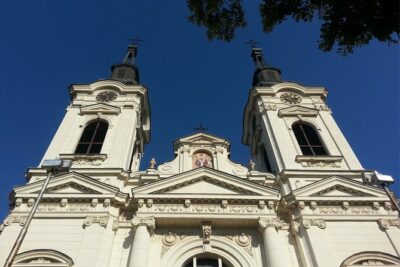
Northern Serbia: Sremski Karlovci and Novi Sad Full-Day Tour from Belgrade
Read our review →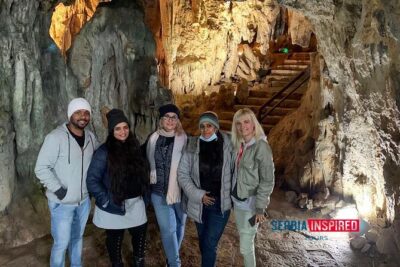
Day Trip from Belgrade: Gems of Eastern Serbia
Read our review →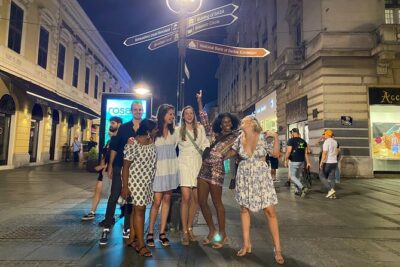
Belgrade Nightlife Bar Pub Club Crawl with Drinks
Read our review →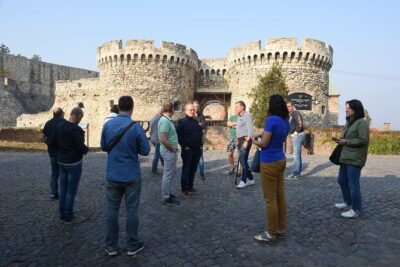
Belgrade Big Tour: Top Attractions and Belgrade Neighborhoods
Read our review →
Along the Danube: Golubac Fortress & Iron Gate Gorge day trip from Belgrade
Read our review →
Belgrade Underground Tour w/ Sparkling Wine Along the River
Read our review →Browse the lists this tour appears in