
Reviewed · BELGRADE TOURS
Red Belgrade Communist Tour
Belgrade’s communist past is not locked in a single museum. It unfolds across Republic Square, grand hotels, workers’ halls, pioneer rituals, trolley wires, and Tito’s final resting place. This four-hour walk and ride connects those pieces, moving from postwar Yugoslavia to the breakup of the 1990s.
I like the clear city-to-museum route and the included trolley ride, which saves you the trouble of finding the Museum of Yugoslavia on your own. I also like the human scale of the storytelling. Guides including Nebo, Radica, Dragor, Hristina, and Isadora are described as engaging, ready for questions, and able to explain how communism fit into older Serbian history.
The main drawback is the title. If you expect four hours focused only on communist theory or Serbian communism, you may find the tour broader than expected. It covers Yugoslavia, Tito, World War II, the breakup of the country, and the conflicts of the 1990s, with plenty of walking and some hills.
Key points before you book
- Tito’s Yugoslavia comes alive through city landmarks, not just dates and political slogans.
- The trolley ride to Dedinje is part of the lesson, showing a public transport link that still serves Belgrade.
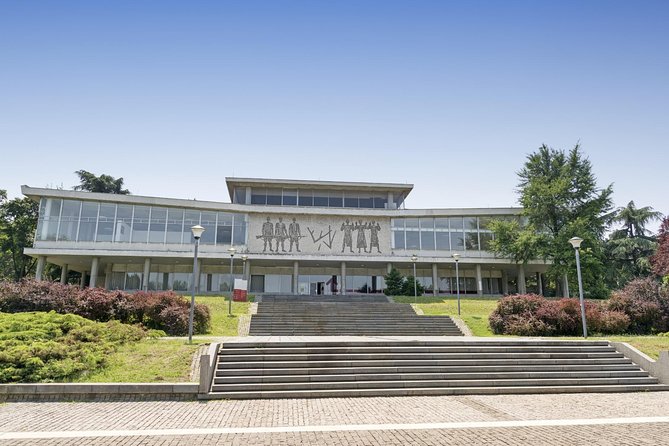
- The Museum of Yugoslavia and House of Flowers take about 90 minutes, making them the tour’s main historical stop.
- Small groups make questions easier, while the maximum group size is 25 people.
- The tour costs $53.10 per person, including the guide, trolley tickets, and museum admission.
- Comfortable shoes matter, since the morning includes a substantial walk through central Belgrade.
Republic Square begins the Yugoslav story
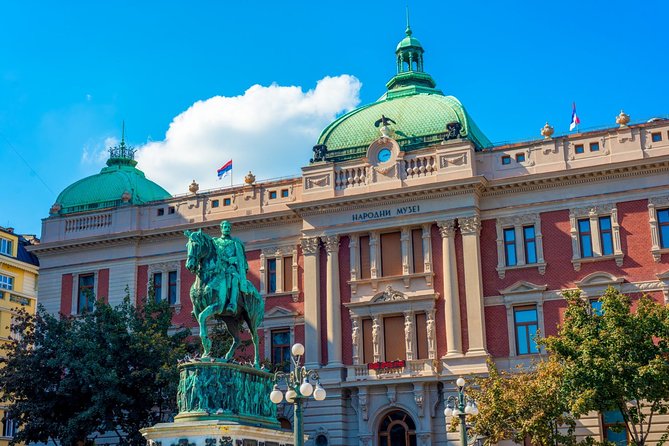
Meet at Trg Republike, or Republic Square, at 10:00 a.m. This is a useful starting point because the square sits in the middle of Belgrade’s central pedestrian zone, where older royal buildings, newer urban structures, and socialist-era architecture sit close together.
The tour frames the period from World War II through the early 2000s as one long, often contradictory chapter. That is the right approach for Yugoslavia. The country cannot be reduced to a simple tale of communist control. It developed its own form of socialism, broke with Stalin, opened more to Western culture than most communist states, and encouraged a distinct Yugoslav identity.
At Republic Square, you hear about Tito’s speech connected with the creation of socialist Yugoslavia. From there, the guide points out constructivist and socialist buildings mixed with monuments from the Yugoslav Kingdom and more recent decades.
That mixture is important. Belgrade was not rebuilt from scratch after the war. Its streets show changing systems layered one over another. A royal monument may sit near a socialist block. A modern commercial building may occupy a place shaped by older political power. If you pay attention to the surroundings, the walk becomes a lesson in how cities carry their past in plain sight.
The guide also brings in urban legends and conspiracy theories from the second half of the 20th century. These stories are useful when handled carefully. They show how ordinary people understood power, secrecy, and Tito’s public image. You should expect a mix of documented events, popular memory, and local color rather than a dry lecture.
A few more days out around Belgrade to weigh up
- Northern Serbia: Sremski Karlovci and Novi Sad Full-Day Tour from Belgrade
★ 5.0 · 425 reviews - Day Trip from Belgrade: Gems of Eastern Serbia
★ 5.0 · 424 reviews - Belgrade Nightlife Bar Pub Club Crawl with Drinks
★ 5.0 · 277 reviews
Terazije reveals the polished side of socialism
The next stop, Terazije, shifts the mood. Here the focus turns to celebrations, glamorous holidays, famous visitors, and Hotel Moskva. The hotel’s history helps explain the public face of Yugoslav society, a country that wanted to present itself as modern, open, and confident.
Terazije also recalls the former Square of Marx and Engels and the imposing Trade Union Hall. This leads into the socialist ideal of work. Yugoslavia celebrated the worker not only as an economic force but as a social hero. The story of a miner becoming a superstar captures the unusual blend of political messaging, celebrity culture, and mass public events.
I find this section valuable because it moves beyond the usual image of gray apartment blocks and stern party officials. Yugoslav socialism had ceremonies, glamour, music, holidays, and public spectacle. The system wanted to shape daily life, but it also understood the appeal of entertainment and status.
The stop lasts about 20 minutes, though the overall pace depends on the group and the guide’s storytelling. You are still on foot, so this is a good moment to drink water and adjust your shoes. One useful detail from the tour experience is that guides may point out bakeries or bookshops along the way, giving you small breaks from the political story.
Pionirski Park explains childhood, music, and control
At Pionirski Park, the subject becomes the Pioneer oath. Children in socialist Yugoslavia were introduced to the state and its values through organized rituals. This part of the tour helps you see how ideology entered family life and education, not just party meetings.
The guide also explains why Yugoslavia was viewed as one of the more liberal countries within the communist world. Western music and influences were allowed to shape local taste and behavior. That opening changed clothing, entertainment, youth culture, and ideas about what modern life could look like.
The point is not that Yugoslavia was free of repression. The tour also addresses the darker side of the system. You hear about the limits of political life and the costs faced by people who challenged the regime. This balance matters, especially if you arrive with a nostalgic picture of Tito’s era based on family stories, old photographs, or popular music.
On the way, you see the monument to Ivo Andrić, the Serbian Nobel Prize winning writer who also served as an ambassador in Berlin at the start of World War II. His presence adds another layer to the route. The tour is not only about communism. It also shows how Serbia’s literary, royal, wartime, and socialist stories overlap.
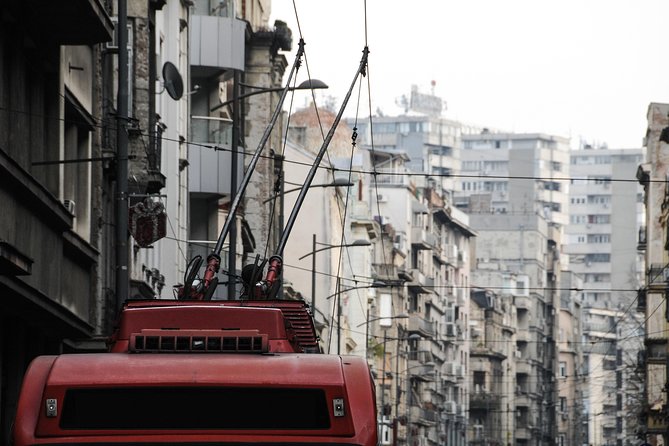
After roughly 40 minutes at and around this part of the route, you board a trolley. The ticket is included. The ride is practical, but it is also part of the experience. Public transportation was central to ordinary Yugoslav life, and the trolley remains active today. You move from the center toward Dedinje while seeing a working piece of Belgrade rather than a staged historical exhibit.
The trolley ride to Dedinje changes the setting
Dedinje is known for embassies, large residential villas, and an elite atmosphere. The shift from central streets to this district helps explain the contrasts within Yugoslav society. The country promoted equality, yet political leaders and senior figures did not live exactly like everyone else.
This is one of the tour’s strongest transitions. You are not simply transported to the museum. The route shows how geography reflects power. The central walk introduces public life, workers, ceremonies, and ideology. Dedinje brings you closer to the residences and institutions associated with the ruling class.
The trolley is also useful for practical reasons. The Museum of Yugoslavia sits outside the central sightseeing area, and reaching it independently requires figuring out local public transport. With the tour, the ride is included and tied to the explanation. You can focus on the city rather than on route planning.
The group may be as small as two people, though shared tours can include up to 25. A small group makes the ride and walking discussion feel more personal, especially when the guide invites questions. If you are the only person booked on a shared departure, the operator may apply a 75 percent supplement. You are informed at least 24 hours before the tour and can instead cancel without fees or choose another option.
Same city, a completely different day out:
- Taxi to/from Belgrade Airport to/from Belgrade City Center
★ 5.0 · 241 reviews - Belgrade Big Tour: Top Attractions and Belgrade Neighborhoods
★ 5.0 · 232 reviews - Along the Danube: Golubac Fortress & Iron Gate Gorge day trip from Belgrade
★ 4.5 · 185 reviews - From Belgrade: Golubac Fortress & Iron Gate Danube Gorge
★ 4.8 · 185 reviews
The Museum of Yugoslavia puts Tito at the center
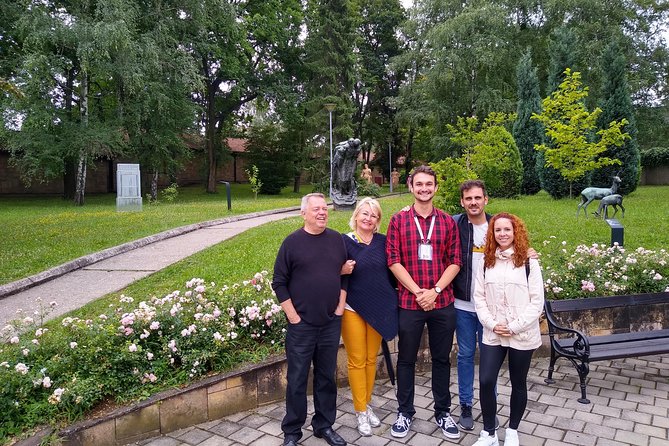
The final major stop is the Museum of Yugoslavia, where you spend about 90 minutes. Admission is included, so the $53.10 price covers more than a guided city walk. You also receive the trolley tickets and an English-speaking guide.
The museum focuses on Josip Broz Tito, the communist leader who ruled Yugoslavia for decades. You see ceremonial gifts presented to him, including an item from the crew of Apollo 11. That detail captures Yugoslavia’s unusual position during the Cold War. It was socialist, but it did not simply follow Moscow. It maintained ties with both the communist world and the West.
The museum is most useful when paired with the earlier walk. On its own, a display of official gifts can feel distant. After seeing the squares, workers’ institutions, pioneer sites, and elite district, you have a framework for understanding why Tito was treated as both political leader and national symbol.
Expect the guide to discuss Tito’s public image, the country’s future-oriented message, and the final decades of Yugoslavia. The storytelling is a major part of the museum visit. Several guides are singled out for explaining the subject in clear, personal ways, including Nebo, who is described as especially good at answering individual questions and offering different viewpoints.
The museum portion is not a quick add-on. It is the heart of the tour for anyone who wants objects, photographs, and official gifts to support the street-level history. If you prefer a fast-moving walk with only brief indoor stops, the 90-minute museum visit may feel long. If you care about 20th-century history, it gives the tour its strongest evidence.
House of Flowers is a quiet, emotional finish
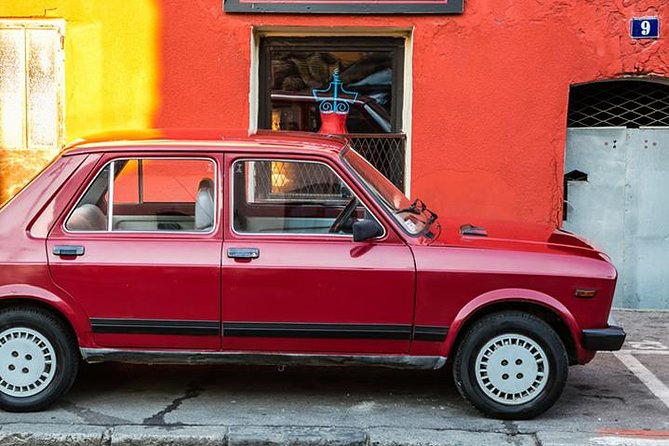
The tour ends at the House of Flowers, the mausoleum where Tito is buried. This final stop brings the story back to the leader whose image shaped nearly every earlier topic: work, youth, international relations, public ceremony, and Yugoslav identity.
The tone here is more reflective than at Republic Square or Terazije. Tito remains a highly charged figure. Some people remember stability, international respect, and a society that felt more open than neighboring communist states. Others focus on political control, unequal privileges, and the unresolved tensions that later helped pull Yugoslavia apart.
A good guide does not force you into one answer. The best part of this tour is that it allows the contradictions to remain visible. You can understand why Tito was revered while also examining the limits of his system. You can see why some people feel nostalgia while recognizing that nostalgia leaves out painful parts of the past.
The tour’s end at the House of Flowers is also practical. You do not have to return to Republic Square after the museum. Plan the rest of your day from Dedinje, since the experience finishes there after the visit.
What the four-hour format feels like
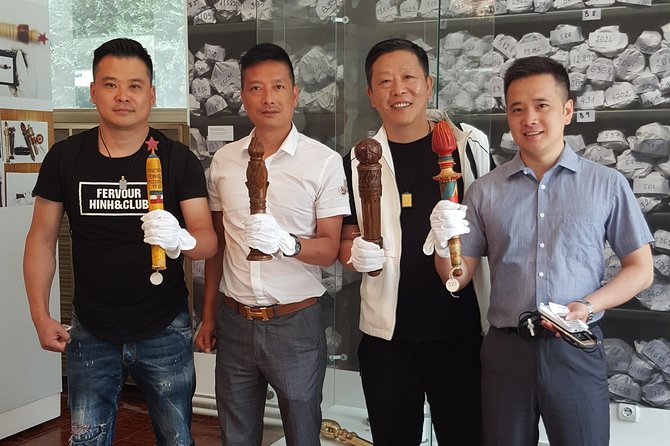
This is a full morning, not a short orientation walk. The central portion includes several stops of about 20 to 40 minutes, followed by the trolley and a museum visit lasting around an hour and a half.
You should wear comfortable walking shoes. One part of the route is described as long and hilly, and there is no scheduled drinks or rest stop listed. Bring a bottle of water, especially in warm weather. The pace includes standing while listening, walking between sites, riding public transport, and spending time inside the museum.
The tour is offered in English and uses a mobile ticket. Confirmation arrives at booking, and the meeting point is near public transportation. Most people can take part, but the walking requirement is worth considering if you have trouble with hills or long periods on your feet.
The operator offers group discounts and a choice between a private and shared format, depending on your budget and plans. The group limit of 25 keeps the tour from becoming a huge crowd, though a smaller group will naturally make questions and discussion easier.
Is $53.10 a fair price?
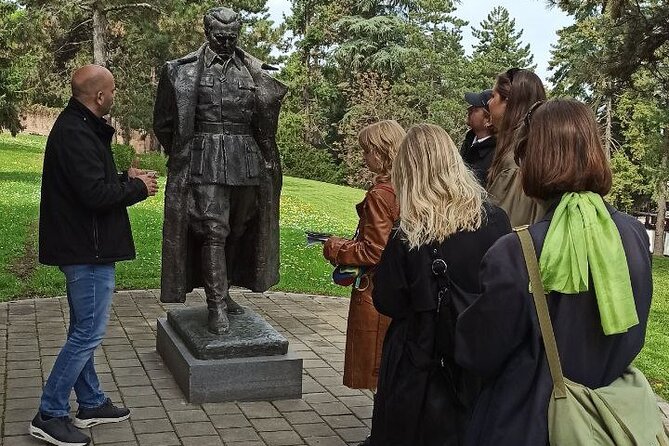
At $53.10 per person, this is not the cheapest walking tour in Belgrade. The value comes from the combination of a guide, a structured four-hour route, trolley tickets, and entry to the Museum of Yugoslavia.
If you visited the central landmarks on your own, you would save money, but you would also need to research the connections between them and arrange your own transport to Dedinje. The museum visit alone would not explain as clearly how Republic Square, Terazije, Pionirski Park, Tito, and the 1990s fit together.
I consider the price reasonable for a history-focused half-day, especially if you are new to Belgrade or want help making sense of Yugoslavia’s complicated past. It is less appealing if you want a quick introduction to the city or are mainly interested in architecture and cafés.
The private option can make sense if you have detailed questions or a fixed schedule. A shared tour is the better value for most people, provided at least two people are booked and you are comfortable with the possibility of a supplement if you are alone.
Who should book this Belgrade tour?
You should book it if you want to understand Serbia through the Yugoslav period rather than treating communism as a short side note. It suits history fans, first-time visitors who want context, and anyone curious about Tito’s continuing place in public memory.
It also works well early in a Belgrade stay. The central walk helps you get your bearings, while the guide can explain the background behind current debates and the breakup of Yugoslavia. Several guides, including Hristina, Marko, Nina, Borjan, and Dragana, are praised for making difficult subjects approachable and connecting past events with present-day Serbia.
Think twice if you dislike long walks, hills, public transportation, or museum time. Also adjust your expectations: this is a broad history tour with a strong focus on Tito and Yugoslavia, not a narrow study of communist Serbia alone.
Should you book the Red Belgrade Communist Tour?
I would book it if you want a thoughtful introduction to Belgrade’s 20th-century story and prefer a guide to a stack of history books. The route is well planned, the trolley ride solves a real transport problem, and the Museum of Yugoslavia gives the tour a strong finish.
Go in ready for complexity. You will hear about idealism, ceremony, Western influence, repression, privilege, war, and national memory. Bring good shoes, water, and questions. If you do that, this tour offers a useful way to understand why Belgrade can feel nostalgic, scarred, proud, and politically complicated all at once.
FAQ
Where does the Red Belgrade Communist Tour start?
The tour starts at Trg Republike 9, Belgrade, at 10:00 a.m.
Where does the tour end?
The tour ends at the House of Flowers after the Museum of Yugoslavia visit in Belgrade.
How long does the tour last?
The experience lasts approximately four hours.
What language is the tour offered in?
The tour is offered in English.
Is the trolley ride included?
Yes. Trolley tickets are included in the tour price.
Is museum admission included?
Yes. Entry to the Museum of Yugoslavia is included.
How large can the group be?
The tour has a maximum of 25 participants. A shared tour requires at least two passengers.
What happens if I am the only person booked on the shared tour?
You will be informed at least 24 hours before departure. You can cancel without fees, choose another experience, or pay a 75 percent supplement to continue with the tour alone.
What should I bring?
Comfortable walking shoes and a bottle of water are recommended.
Can I cancel for a full refund?
Yes, if you cancel at least 24 hours before the experience start time. Cancellations made less than 24 hours before the start are not refunded.
Just added around Belgrade
- Private Walking Tour of Belgrade and Old Zemun★ 5.0 · 3 reviews
- Feel Belgrade Welcome tour★ 4.5 · 3 reviews
- From Belgrade: Danube Day Trip with Wine and Brandy Tasting★ 5.0 · 3 reviews
- Private Half Day Serbia Tour Novi Sad and Petrovaradin Fortress★ 5.0 · 3 reviews
- Belgrade: The White Emigration in Serbia in the Wake of the Russian Revolution★ 5.0 · 3 reviews
- Private Wine Tasting by Party in Belgrade★ 5.0 · 3 reviews
- Zica and Studenica monastery From Belgrade★ 5.0 · 3 reviews
- Belgrade Fashion and Design Tour – Discover Local Designers★ 5.0 · 4 reviews
Belgrade Tours, compared.
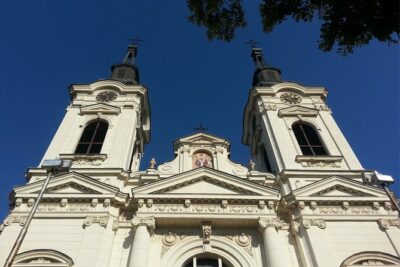
Northern Serbia: Sremski Karlovci and Novi Sad Full-Day Tour from Belgrade
Read our review →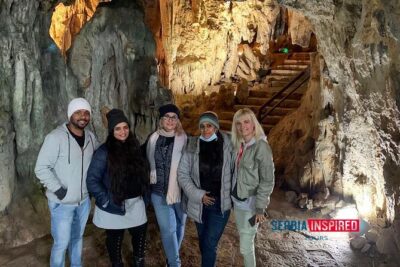
Day Trip from Belgrade: Gems of Eastern Serbia
Read our review →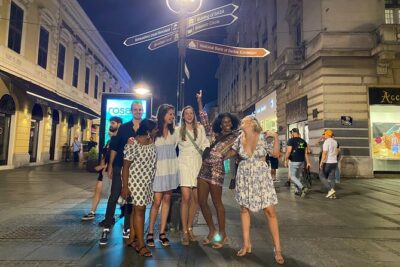
Belgrade Nightlife Bar Pub Club Crawl with Drinks
Read our review →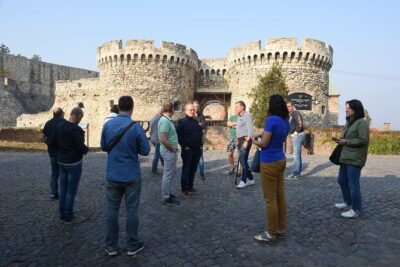
Belgrade Big Tour: Top Attractions and Belgrade Neighborhoods
Read our review →
Along the Danube: Golubac Fortress & Iron Gate Gorge day trip from Belgrade
Read our review →
Belgrade Underground Tour w/ Sparkling Wine Along the River
Read our review →Browse the lists this tour appears in