
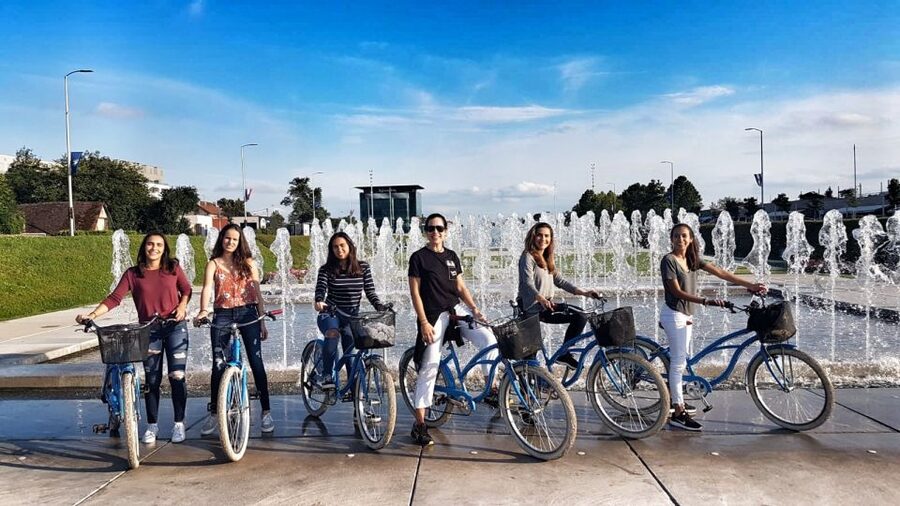
Reviewed · CYCLING TOURS
Zagreb: 2.5-Hour Cycle Back to Socialism Tour
Zagreb changes character quickly on this bike ride. Start among grand old buildings and leafy squares, cross the Sava, and you are soon in New Zagreb, a city of postwar housing blocks, broad bike paths, street art, and everyday Croatian life. The socialist-era city is the real subject, not just a backdrop.
I like the way the route links old and new Zagreb without wasting time on a bus. I also like the mix of history, parks, contemporary art, and mountain views. The main drawback is uneven guiding: some departures offer strong detail about socialist Zagreb, while one unhappy rider found the history too thin and the discussion of the 1990s inaccurate.
Key points to know before you book
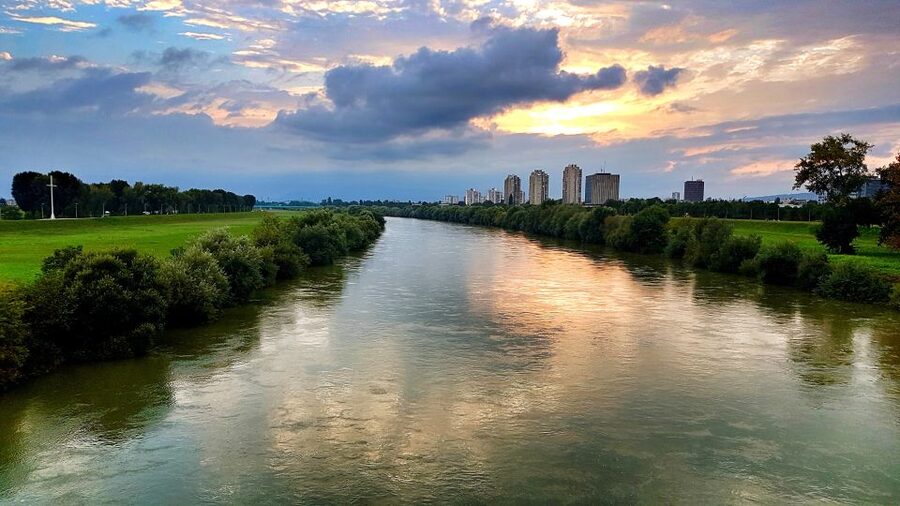
- Crosses the Sava River into New Zagreb: The ride shows how sharply the city changes after the bridge.
- Covers both old and postwar Zagreb: You see the historic center, Green Horseshoe, housing districts, Zagreb Fair, and Bundek.
- Runs for about 150 minutes to three hours: The exact length depends on the pace and departure time.
- Uses bicycles and established cycling lanes: A practical way to cover more ground than walking.
- Focuses on social change: The guide explains how Zagreb developed after World War II and how society changed after socialism.
- Works for children and older adults who can cycle: Helmets are available but optional, and private groups can be arranged.
Why this ride shows a different Zagreb
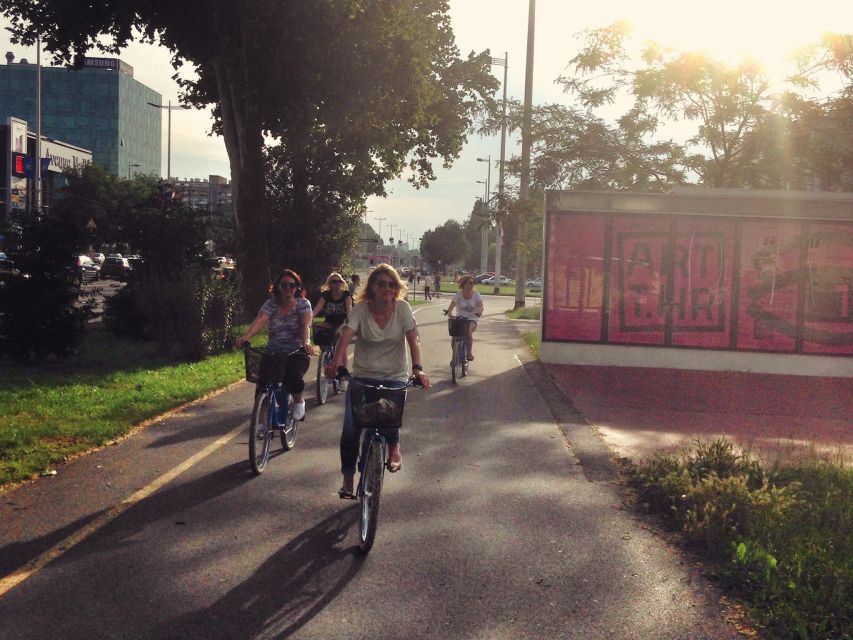
Most first visits stay north of the railway line, around Ban Jelačić Square, the cathedral, Upper Town, and the café-lined streets of the Lower Town. Those areas are worth your time, but they tell only part of the city’s story.
This ride takes you south. The Sava River becomes a useful dividing line between the older center and New Zagreb, much of which grew after World War II. The change is quick. Historic facades give way to wider roads, open space, large residential blocks, and a city planned for modern urban life.
That shift gives the tour its purpose. You are not simply pedaling between attractions. You are watching Zagreb change from an imperial Central European capital into a postwar city shaped by socialism, mass housing, public planning, and later private development.
I especially like this approach for a second day in Zagreb, after you have seen the old center. It helps you understand where many residents actually live and how the city functions beyond its postcard core.
A few more days out around Serbia to weigh up
- Belgrade E-Bike Tour: Power Glide!
★ 4.5 · 112 reviews - Cycling the parks, ride through the ages
★ 5.0 · 21 reviews - Fruška Gora Bike Tour
★ 5.0 · 16 reviews
Meeting at Ban Jelačić Square
The ride begins at Blue Bike Zagreb, at Trg bana Josipa Jelačića 15. The office sits in an alley near the main square, in the direction indicated by the statue on the square. Give yourself a few minutes to locate it, since the meeting point is not simply a shopfront facing the square.
This is a guided English tour. The standard arrangement includes a bicycle and a helmet, although the helmet is listed as optional. A private group can be requested, which may be useful for families or groups with a particular interest in Zagreb’s recent past.
The activity is described as suitable for children and older adults. It is not suitable for wheelchair users or people with mobility impairments, since the route depends on cycling and getting on and off a bicycle.
The Croatian National Theatre and Lower Town
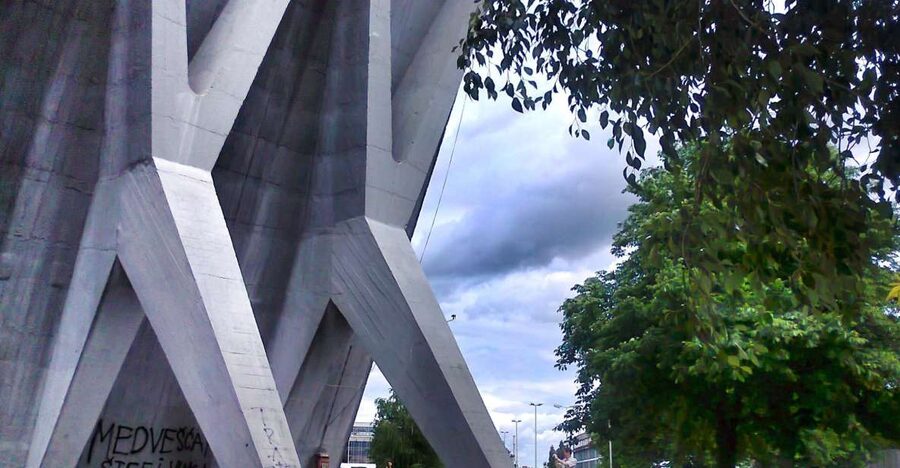
The first riding section heads toward the Croatian National Theatre, one of Zagreb’s most recognizable buildings. The stop helps set the tone for the older part of the city, with formal architecture and the orderly parks of the Lower Town.
You also spend part of this opening stretch around Zagreb’s Green Horseshoe. This chain of parks and squares gives central Zagreb a calm, planned feel. On a bicycle, you can cover several of these spaces without the stop-and-start pattern of a walking tour.
The first half hour is not only a warm-up. It gives the guide a chance to explain how the historic center developed before the route turns toward the postwar city. If you have never visited Zagreb, this opening section is helpful because the later contrast makes more sense once you have seen the old urban core.
Do not expect a long interior visit at the theatre. This is a cycling stop, so the value comes from the setting and the explanation rather than from going inside.
Croatian State Archives and the story of planned Zagreb
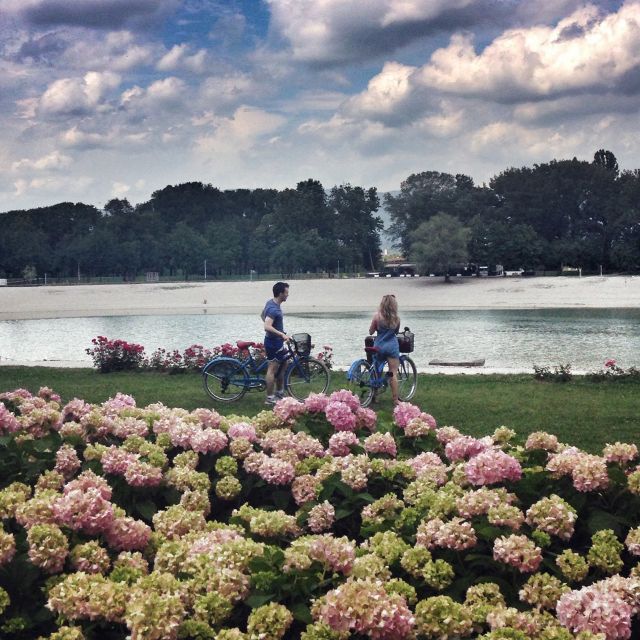
The ride continues to the Croatian State Archives, another important Lower Town building. The stop lasts about 15 minutes, so expect a short look and a focused talk rather than an extended architectural visit.
This part of the tour is useful for understanding Zagreb as a planned city. The parks, public buildings, and broad routes are not random pieces. They reflect different periods of government, civic planning, and changing ideas about what a capital should look like.
I would pay attention to the guide’s transitions here. The best version of this tour connects the old center to New Zagreb rather than treating them as two unrelated bicycle rides. The key question is how Zagreb expanded, who that expansion was designed for, and how those plans still shape daily life.
The quality of the explanation matters a great deal. Strong guides, including Roza and Ilona, have been singled out for making the history easy to follow and for connecting it to present-day Zagreb. Still, you should know that the level of historical detail can vary by guide. One poor experience found the socialist material too limited and the account of the 1990s war too superficial and incorrect.
Same city, a completely different day out:
- Northern Serbia: Sremski Karlovci and Novi Sad Full-Day Tour from Belgrade
★ 5.0 · 425 reviews - Day Trip from Belgrade: Gems of Eastern Serbia
★ 5.0 · 424 reviews - Belgrade Nightlife Bar Pub Club Crawl with Drinks
★ 5.0 · 277 reviews - Taxi to/from Belgrade Airport to/from Belgrade City Center
★ 5.0 · 241 reviews
Crossing the Sava River
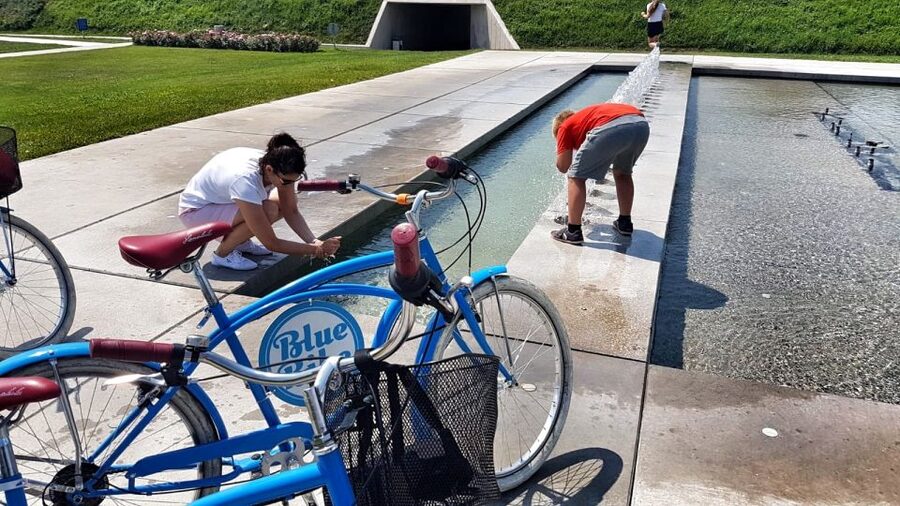
The Sava section is the turning point. After roughly 20 minutes of riding, you cross the river and enter the part of Zagreb most visitors see only from a distance.
The bridge itself is not presented as a major sight, but it has real value as a visual marker. Behind you is the older center. Ahead is New Zagreb, shaped largely by postwar construction and a different scale of urban planning.
The established cycling lanes make this crossing more practical than it might sound. You can move with the group without having to negotiate the entire route as a pedestrian. Still, this is a cycling tour, not a gentle park stroll. You should be comfortable riding for several hours and following a guide through city streets and paths.
Once across, the tour explains how Zagreb grew after World War II and how the socialist system affected housing and society. This is where the title of the experience earns its place. The buildings and open areas become evidence of a former political and economic system, rather than just scenery along the way.
Zagreb Fair and New Zagreb’s postwar identity
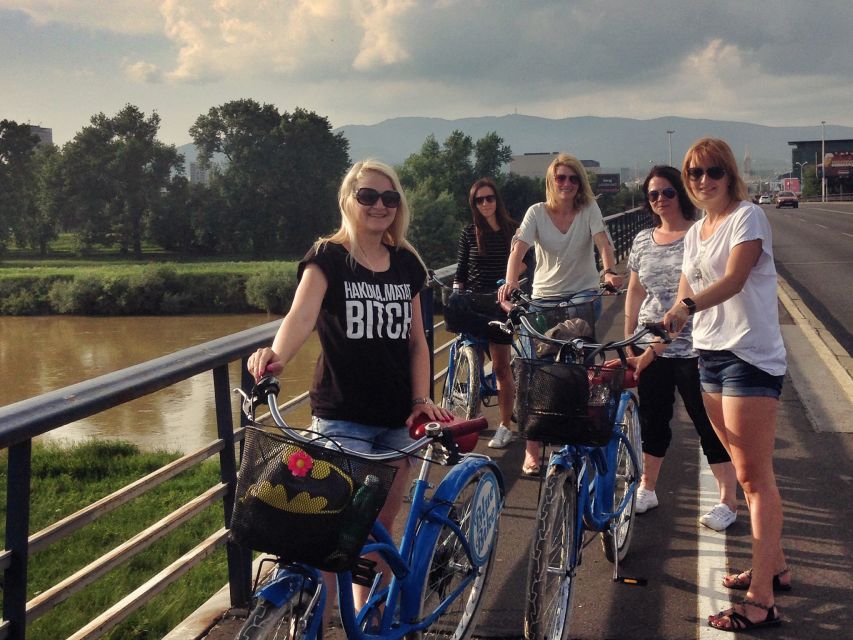
The route continues to Zagreb Fair, with about 20 minutes of cycling in this section. The fairgrounds help explain the scale and ambition of New Zagreb. This side of the river was built for a growing population, with housing and public facilities planned on a much larger scale than in the old center.
The experience is strongest when the guide explains how people lived in these districts, not only when pointing out construction dates. You may hear about the social goals behind the housing areas, the way the city expanded, and how that system changed over time.
That social angle is what separates this tour from a standard city bike ride. You are being asked to consider how public policy shapes neighborhoods. The result is less about naming every building and more about seeing the city as a record of political change.
The route also passes through areas associated with contemporary Croatian art and street art. New Zagreb is not frozen in its socialist past. It has developed its own cultural life, and the art helps show how residents have adapted and reinterpreted these large urban spaces.
Bundek Park and a quieter side of the city
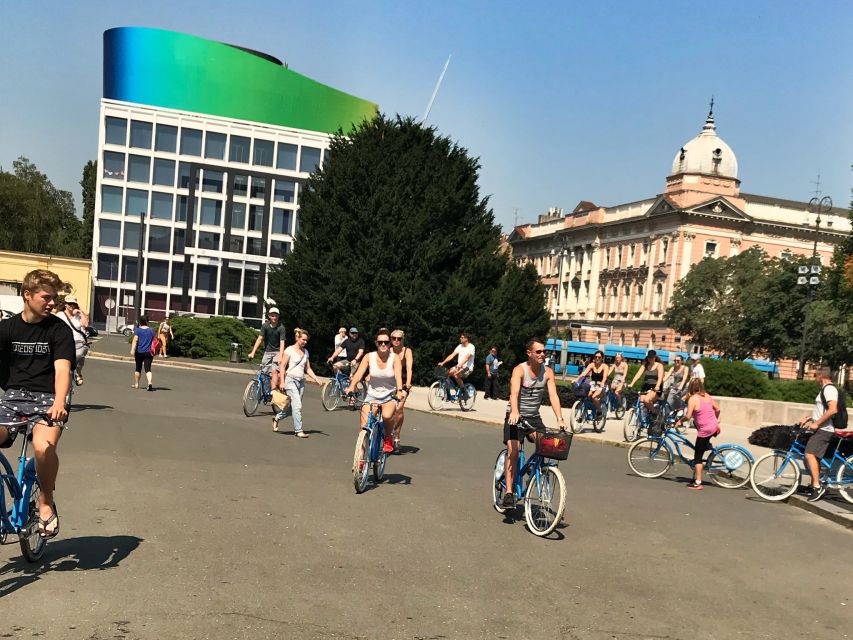
Bundek takes about 20 minutes of the ride and provides a welcome change from buildings and roads. The park has lakes, shade, and a calmer feel. It is a good place to pause and see how New Zagreb’s open areas serve daily life.
I like this part because it keeps the tour from becoming a lecture about concrete and politics. The park shows that the postwar city is not only about housing blocks. It also includes space for recreation, walking, rest, and contact with nature.
The park can feel peaceful, but do not expect a long picnic stop. The itinerary continues by bicycle, and the timing is built around seeing a broad portion of Zagreb. If you want extended time at each park, museum, or art area, a private departure may suit you better than a standard group ride.
The Contemporary Art Museum is also part of the New Zagreb experience, although the tour does not list an interior museum visit. Think of it as an external stop and a sign of the area’s present cultural life. If the museum interests you, plan a separate visit rather than expecting admission during the ride.
Returning through the Green Horseshoe
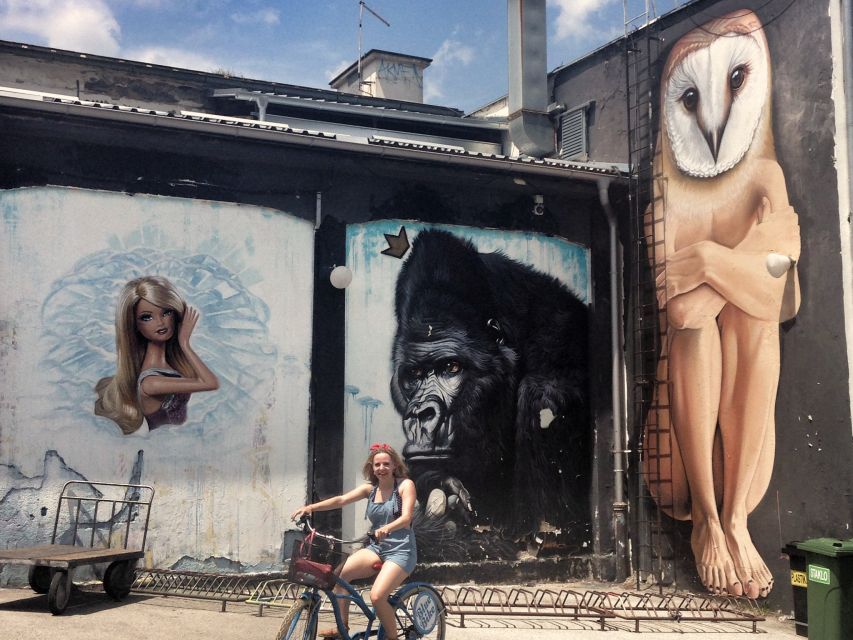
After New Zagreb and Bundek, the route crosses back toward the old center. The return ride takes about 20 minutes and gives you a chance to compare both sides of the city while the information is still fresh.
The final views toward Zagreb’s mountains are among the most appealing parts of the route. From the bridge and open areas, the city’s setting becomes clear. Zagreb has a compact historic center, a broad southern extension, and mountains forming a strong backdrop to the north.
The ride then returns through the Lower Town, with stops near the Botanical Garden of the Faculty of Science, King Tomislav Square, and Park Zrinjevac. These sections take about 15, 10, and 10 minutes of cycling respectively.
The Botanical Garden adds more greenery and another example of the Lower Town’s planned public spaces. King Tomislav Square brings you back to Zagreb’s formal central axis, while Zrinjevac is one of the city’s most pleasant urban parks. These last stops make the route feel complete: old Zagreb, New Zagreb, and the parks between them all fit into one connected city.
What the two-and-a-half-hour timing really means
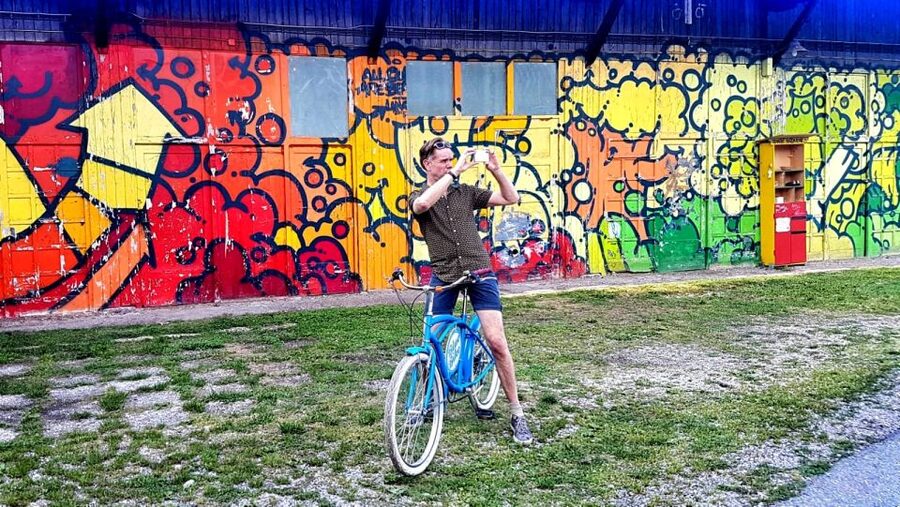
The advertised duration ranges from 150 minutes to three hours. The itinerary lists several riding sections, with short stops along the way. That means the experience is not a strict 150-minute race from point to point.
The total time may depend on the guide, the group’s pace, traffic, and how long each explanation takes. If you are planning a museum visit or a timed meal afterward, leave extra space.
The bicycle is the main value here. Walking the same route would take much longer, and public transport would skip many of the useful transitions. The bike lets you see how the neighborhoods connect, especially the change around the river.
The price is $57 per person. That is not the cheapest way to see Zagreb, but it is reasonable if you want a live English explanation, a bicycle, and a route that reaches places beyond the usual center. It is better value for a first-time visitor who wants context than for someone seeking a quick recreational ride.
The price also makes more sense for a private group, where the guide can adjust the pace and spend more time on the parts that interest you. For a family, the chance to cover old and new Zagreb in one outing can save a separate transport trip.
The guide makes or breaks the history
This is a history-led bike ride, so the guide matters as much as the route. The strongest feedback centers on guides who are personable, clear, and able to explain real life in Zagreb rather than reciting dates.
Roza has been praised for combining a good ride with plenty of historical information, and Ilona has been described as especially effective at explaining everyday life in the city. That is the ideal approach for this subject. You want to understand how the system affected housing, work, public space, and family life, not just hear the word socialism repeated at each stop.
At the same time, the experience is not uniformly strong. One departure became mainly a pleasant ride through New Zagreb, with little explanation of the socialist period. The same account raised concerns about the treatment of the 1990s war. That is a serious consideration if modern Croatian history is your main reason for booking.
The overall score is 4.6 from 25 ratings, which suggests a generally positive experience but not a guarantee of the same depth on every departure. I would treat the guide assignment as important. If you can request Roza or Ilona, it is worth asking, though a specific guide cannot be guaranteed from the information provided.
Who will enjoy this ride most
I would choose this tour if you have already seen the main old-town sights and want a broader picture of Zagreb. It also suits anyone interested in architecture, city planning, socialist history, contemporary art, or the contrast between tourist areas and residential districts.
Families can benefit from the steady change of scenery. One family specifically found the bicycles efficient and said the children enjoyed the ride. The combination of parks, bridges, art, and open space gives younger riders more to look at than a long walking lecture.
Older adults who are comfortable cycling can also take part. The activity is listed as suitable for older adults, but that should not be confused with being effortless. You need enough balance and stamina to ride for roughly two and a half hours or longer.
I would hesitate to book it for anyone with limited mobility, since wheelchair users and people with mobility impairments are specifically excluded. I would also think twice if you want a very detailed treatment of the 1990s war. The focus is broader, covering the city’s development and social change from the postwar period to today.
Practical details that affect your decision
The tour is offered in English and includes a local English-speaking guide. Helmets are optional, and bicycles are included in the price.
You can cancel up to 24 hours before the activity for a full refund, and the reserve-now, pay-later option keeps your plans flexible. Starting times vary, so check availability for your date.
The meeting point is easy to identify once you know the detail: Blue Bike Zagreb is at Trg bana Josipa Jelačića 15, in an alley where the statue on the main square points. Arrive early enough to find the office and get fitted to the bicycle.
The route returns to Blue Bike Zagreb. That is useful if you want to continue exploring the central squares, shop, or eat nearby after the ride.
Should you book the Back to Socialism tour?
Book it if you want to see Zagreb as a living city rather than a collection of old buildings. The ride across the Sava, the New Zagreb housing areas, Bundek Park, street art, and mountain views give you a clear sense of the city’s full shape.
I would book it especially for a second day in Zagreb, for families who prefer cycling to walking, and for anyone who wants an introduction to socialist urban planning. The good departures offer thoughtful conversations and a practical route that would be hard to reproduce on foot.
Choose another experience if you need guaranteed, expert-level coverage of the 1990s war, want to visit the Contemporary Art Museum inside, or cannot cycle comfortably. The route is worthwhile, but its historical depth depends heavily on the guide.
FAQ
Where does the Zagreb cycling tour begin?
It begins at Blue Bike Zagreb, Trg bana Josipa Jelačića 15, at the main square. The office is in an alley in the direction the statue on the square is pointing.
How long does the tour last?
The stated duration is between 150 minutes and three hours. Check the available starting times and allow some extra time if you have plans immediately afterward.
What is included in the price?
The price includes a bicycle, an optional helmet, and a local English-speaking guide.
Is the tour offered in English?
Yes. The tour has a live English-speaking guide.
Can children and older adults join?
The tour is listed as suitable for children and older adults. Participants should still be comfortable riding a bicycle for the length of the activity.
Is the route suitable for wheelchair users?
No. The tour is not suitable for wheelchair users or people with mobility impairments.
Can I book a private group?
Yes. A private group option is available.
What is the cancellation policy?
You can cancel up to 24 hours in advance for a full refund. A reserve-now, pay-later option is also available.
Just added around Serbia
- Private Walking Tour of Belgrade and Old Zemun★ 5.0 · 3 reviews
- From Belgrade: Danube Day Trip with Wine and Brandy Tasting★ 5.0 · 3 reviews
- Feel Belgrade Welcome tour★ 4.5 · 3 reviews
- Private Half Day Serbia Tour Novi Sad and Petrovaradin Fortress★ 5.0 · 3 reviews
- Private Guided Truffle Hunting Tour in Serbia with Lunch★ 5.0 · 3 reviews
- Private Wine Tasting by Party in Belgrade★ 5.0 · 3 reviews
- Belgrade: The White Emigration in Serbia in the Wake of the Russian Revolution★ 5.0 · 3 reviews
- Zica and Studenica monastery From Belgrade★ 5.0 · 3 reviews
Cycling Tours, compared.

Belgrade Bike Tour: Be a local in the hood of Belgrade!
Read our review →
Browse the lists this tour appears in