
Reviewed · HISTORICAL TOURS
Eat Like Tito – Gastro Historical Experience
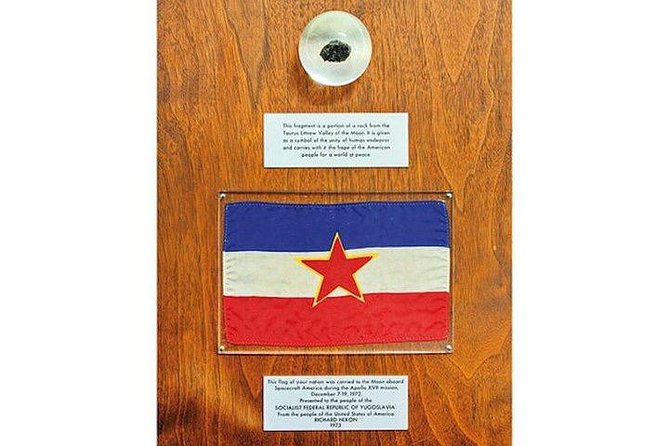
Tito’s story is told best here through food. You begin at the House of Flowers, where Yugoslavia’s longtime leader is buried, then move to a restaurant linked to one of his chefs before learning to prepare Karađorđe steak yourself. The shift from memorial to kitchen gives the tour an unusual human scale.
I like the strong history-and-food pairing, and I like that the cooking class is not a token demonstration. You soften the meat, fill it with kaymak, roll it, fry it, and decorate it. The included meal, tastings, transport, and private format also make the $127.25 price easier to assess.
The main consideration is the minimum age of 21, which rules out younger visitors. You should also be comfortable with a meat-centered Serbian meal and tell the provider about dietary needs when booking, since the signature dish is built around meat and kaymak.
Key points to know before booking
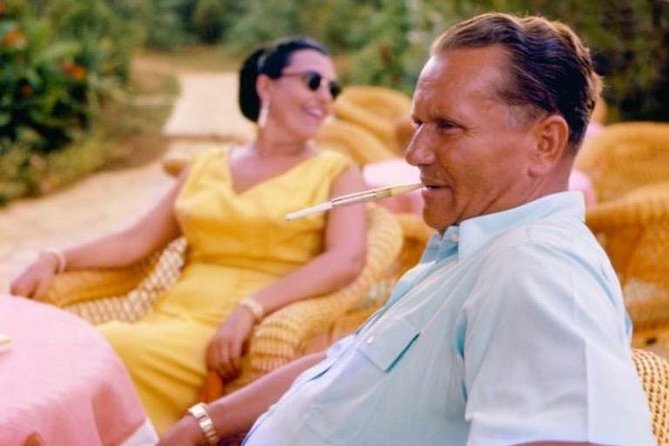
- Tito’s grave begins the story: Visit the House of Flowers and learn about the rituals, symbols, and famous friendships tied to Yugoslavia’s former president.
- Two Tito-era dishes are served: Taste recipes associated with Tito at Mićina domaća kujna, a restaurant owned by one of his former chefs.
- You cook the main course yourself: The Karađorđe steak class covers preparation, stuffing, rolling, frying, and decoration.
- The tour is private: Only your group takes part, with private vehicle transport between locations.
- Food and drinks are included: Tastings, lunch, and alcoholic beverages are covered in the listed price.
- Plan for four hours: The experience is a half-day commitment, beginning at the House of Flowers and ending in Belgrade’s Bregovita area.
Why Tito makes an unusual food-tour subject
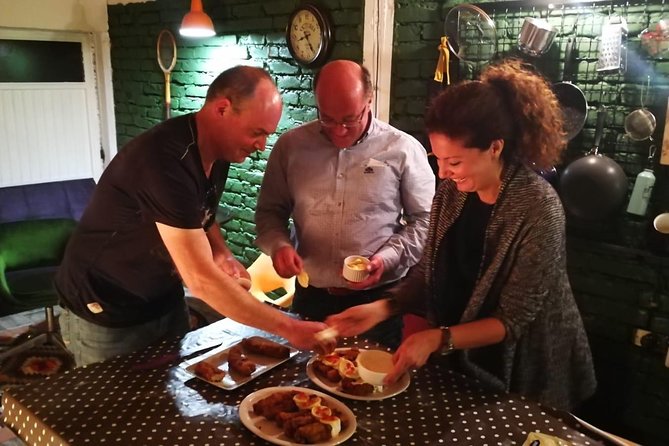
Josip Broz Tito is not presented only as a political figure here. The tour looks at the public image built around him, then turns toward his tastes, habits, and attachment to familiar food. That contrast gives the experience its shape.
Tito led socialist Yugoslavia from the end of the Second World War until his death in 1980. His country was neither a typical Soviet satellite nor a Western democracy. Yugoslavia followed its own path, and Tito became known abroad for balancing relationships with major powers while presenting himself as a leader of a united, independent state.
You do not need a detailed grasp of Yugoslav politics to follow the tour. The guide’s job is to connect the broad events with physical places, objects, meals, and personal stories. A professional art historian leads the experience, so the House of Flowers portion is designed as more than a quick stop at a grave.
That mix should suit you if you enjoy history with a personal angle. If you want a focused political lecture, this tour may feel too culinary. If you want only a standard Serbian food crawl, the memorial and historical discussion take up a large share of the afternoon.
A few more days out around Belgrade to weigh up
- Food and culture tour in Belgrade
★ 5.0 · 139 reviews - Culinary Tour – get to know the Serbian food. Come hungry!
★ 5.0 · 130 reviews - Food Tasting at Locals Favorite Farmers Market in Belgrade
★ 5.0 · 16 reviews
House of Flowers: Tito’s public image at the grave
The experience starts at the House of Flowers, the memorial complex where Tito is buried. This is a useful opening because it begins with the end of his public story. From here, the guide can work backward through the image Yugoslavia created around him and the way that image continued after his death.
The grave itself follows Tito’s wish to resemble the burial style of United States President Franklin D. Roosevelt. That detail gives the guide a clear way into a larger question: how could a communist leader choose a memorial that recalled an American president? The answer is part of the tour’s wider discussion about Tito’s unusual place between political worlds.
You will also see memorabilia connected to the cult of personality built around Tito. His birthday was celebrated as a national holiday for four decades, including a major stadium event attended by 50,000 people. This is the kind of detail that helps you grasp the scale of his public image. Tito was not simply a name in a history book. He was presented through ceremonies, symbols, youth events, and carefully managed public affection.
The guide also discusses Tito’s links with world leaders, royalty, and famous entertainers. These relationships help explain the charm and theater surrounding his role. He hosted important figures and used personal contact as part of his public identity, an unexpected feature for a communist leader.
Allow about 45 minutes here. That is enough time for a focused visit, but you should not expect every room or every piece of the larger museum complex to receive a long explanation. The value comes from the guide’s interpretation and from seeing how memory was staged around Tito.
The House of Flowers may be the quietest and most reflective part of the afternoon. It also carries the most political weight. You will encounter admiration, ritual, and questions about power in the same place. The food that follows works partly because it brings the story back to ordinary appetites.
Mićina domaća kujna: Tito’s private side on the plate
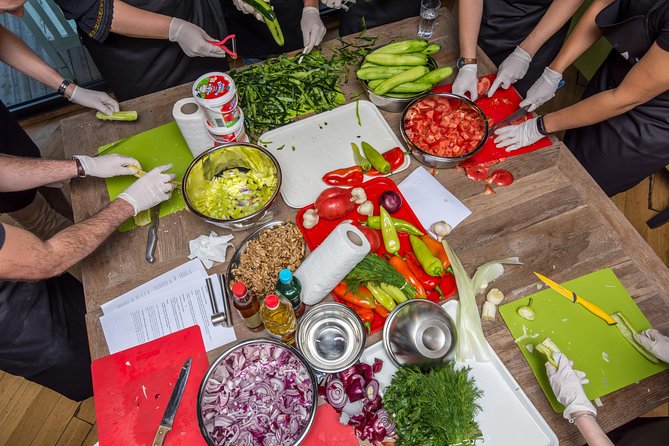
The next stop is Mićina domaća kujna, a homey restaurant owned by one of Tito’s former chefs. The restaurant has operated since the final years of communist Yugoslavia, giving it a direct connection to the period discussed at the memorial.
Here, the focus shifts from Tito as national symbol to Tito as a person who ate, preferred familiar flavors, and sometimes enjoyed simple food. You taste two dishes created by the restaurant’s chef for Tito. The point is not only to sample unusual recipes. Each dish opens another door into the difference between formal state dinners and the food that reminded Tito of home.
That contrast is one of the best ideas in the experience. Powerful figures are often remembered through uniforms, speeches, and monuments. Food can make the story more ordinary without making it less important. A dish associated with a private preference may tell you something that an official portrait cannot.
The meal is also a welcome pause after the museum visit. Instead of rushing from one historical stop to another, you sit down, eat, and hear more about Tito’s personal habits. The setting is intentionally informal, which helps keep the discussion from becoming stiff or overly academic.
About 45 minutes is set aside for this stop. Two tastings may sound modest, but the food is part of the historical explanation, not an all-you-can-eat restaurant visit. You should arrive ready to pay attention to the stories as well as the flavors.
Alcoholic beverages are included, along with the rest of the food on the tour. Since you are visiting a restaurant and later cooking lunch, this is a good experience for adults who enjoy food paired with conversation. Remember the minimum age is 21.
Learning Karađorđe steak from preparation to decoration
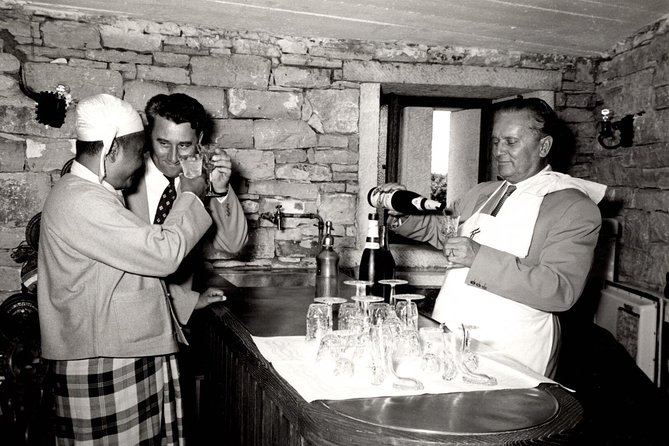
The longest section lasts about two hours and takes place in a comfortable kitchen inside the private home of your host, set in a green garden. This is where you stop watching and start working.
Karađorđe steak is a Serbian specialty made from rolled meat filled with kaymak. It is named after Karađorđe Petrović, a leader of the First Serbian Uprising, although this dish is part of modern Serbian culinary identity rather than an old medieval recipe. On this experience, the dish also connects back to Chef Mića, whose preparation helped bring him to Tito’s attention.
The class takes you through the process in a practical order:
- Softening the meat
- Adding the kaymak filling
- Rolling the meat into its distinctive shape
- Frying it
- Decorating the finished dish
- Serving it with fresh salad and oven-baked potatoes
The decorating step matters because the dish has a symbolic meaning in Serbian food culture. You are not simply frying a piece of meat and putting it on a plate. The final presentation is part of what makes Karađorđe steak recognizable.
This hands-on format is a major reason to choose the experience instead of a standard food walk. You leave with a better sense of what goes into a Serbian restaurant dish, including the texture, shape, and balance of the finished meal. You also get the pleasure, and occasional mess, of making lunch with your own hands.
The private-home setting should feel more personal than a large commercial cooking school. Only your group participates, so the pace can suit your party better than a fixed public class. The supplied details do not promise a take-home recipe, so ask the provider if that matters to you.
The cooking stop also brings the three parts of the experience together. At the House of Flowers, you hear about Tito’s public world. At the restaurant, you taste food linked to his private world. In the kitchen, you prepare a Serbian dish tied to one of his chefs. The story moves from monument to meal to skill.
More history walks in Belgrade:
- A Crash Course through Serbian History
★ 5.0 · 58 reviews - History and Culture in my Belgrade
★ 5.0 · 41 reviews - NATO Bombing of Belgrade Historical Tour
★ 5.0 · 17 reviews - Football tour: Red Star and Partizan Ultras History
★ 5.0 · 14 reviews
What the $127.25 price includes
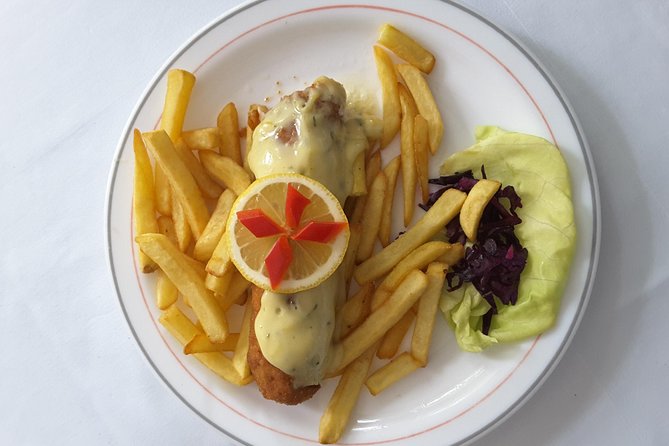
At $127.25 per person, this is not a cheap way to grab lunch in Belgrade. It is also not priced like a simple museum visit. You are paying for a private, four-hour experience with a professional art historian guide, private vehicle transport, admission, several food moments, a cooking class, lunch, and alcoholic beverages.
The value depends on how much of that package you would otherwise book separately. A regular Belgrade history tour might cost less. A casual meal will certainly cost less. But those options would not normally combine Tito’s memorial, dishes created for him, and a guided Karađorđe steak class in one afternoon.
I see the strongest value for couples, families of adults, and small groups who would otherwise need to arrange transport and several activities on their own. The private format matters here. You are not being moved through a large food group while trying to hear a guide over other conversations.
The price is harder to justify if your main goal is simply a large Serbian lunch. The meal is included, but the experience is built around context and participation. You should book it because you want the story and the class, not just because you are hungry.
Timing, meeting points, and practical planning
The meeting point is the House of Flowers in Belgrade. The tour ends at Bregovita in Belgrade, so you should not assume you will finish where you began. Private vehicle transport is included, which removes the need to plan the connections between the memorial, restaurant, and cooking location.
The full experience lasts approximately four hours. The listed timing gives 45 minutes at the House of Flowers, 45 minutes at Mićina domaća kujna, and two hours for the cooking class. That leaves a small amount of flexibility for transfers and the natural pace of a meal.
A mobile ticket is provided. Confirmation arrives within 48 hours of booking, subject to availability, so do not leave the reservation until the last minute if your Belgrade schedule is tight.
The tour is near public transportation, and most people can participate. Since the class takes place in a kitchen and includes food preparation, mention any dietary requirements when you book. The provider lists no separate exclusions, but the central dish contains meat and kaymak, so your needs should be discussed in advance rather than at the table.
Free cancellation is available if you cancel at least 24 hours before the start time. Changes or cancellations made inside that window are not accepted for a refund.
Who will enjoy this Belgrade experience most
This tour fits you well if you like history that connects to daily life. You should also enjoy sitting down for tastings, talking with a guide, and taking part in a cooking task rather than simply watching a demonstration.
It is especially suitable for:
- Adults interested in Tito and Yugoslav history
- Food-focused visitors who want more than restaurant recommendations
- Small private groups
- Meat lovers curious about Serbian cuisine
- People who enjoy informal cooking classes
- First-time visitors who want a structured half-day in Belgrade
The experience may not suit you if you want a fast-paced city tour with many landmarks. It also may not work for anyone under 21, for people avoiding meat or dairy, or for those who prefer to keep politics and food separate.
The tone appears designed to be lively rather than solemn. The cooking portion has been described as full of laughter and local drinks, with hosts including Ksenija and Vlad named for their warm, entertaining approach. That makes the afternoon feel social, but the exact guide or hosts for your departure should be confirmed when you book.
The best and weakest parts of the format
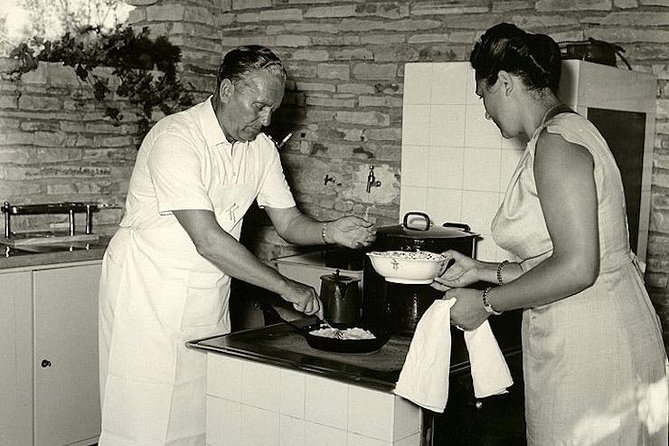
The best feature is the way the tour changes pace. You start with a memorial and political story, sit down for historical food tasting, and finish with a practical class. Each part prevents the next from feeling repetitive.
The second major strength is the private setting. A cooking class needs room for questions and hands-on work. A history discussion needs clear audio and time for context. A private group gives you a better chance of getting both.
The weakest point is that the tour’s subject is quite specific. If Tito does not interest you, the House of Flowers may feel like a long prelude before lunch. The tour also spends two hours on one dish, so you need to enjoy cooking rather than treat it as a brief add-on.
The food focus is another point to weigh. The included tasting and lunch are convenient, but the experience is not presented as a broad survey of Serbian cuisine. You taste two Tito-associated dishes and make Karađorđe steak. That is a focused menu, not a full tour of every Belgrade specialty.
Should you book Eat Like Tito?
Book this experience if you want a private Belgrade activity that joins political history, personal stories, local food, and a real cooking session. The House of Flowers gives the afternoon weight, while the restaurant and garden kitchen keep it friendly and hands-on.
I would choose it over a standard food tour if Tito and Yugoslavia are on your list of interests. I would also choose it for an adult group that values a shared activity and a proper meal. At $127.25, the package makes sense when you use the included transport, guide, tastings, lunch, drinks, and private class.
Skip it if you want a low-cost meal, a broad city sightseeing tour, or a vegetarian-centered food experience. For the right audience, though, this is a memorable way to understand Belgrade through the man who shaped much of its modern story, and through the food served around his table.
FAQ
Where does Eat Like Tito start?
The experience starts at the House of Flowers in Belgrade.
Where does the tour end?
The tour ends at Bregovita in Belgrade.
How long does the experience last?
The experience lasts approximately four hours.
What food will I prepare?
You will learn to prepare Karađorđe steak with kaymak, along with fresh salad and oven-baked potatoes.
Is food included in the price?
Yes. Food tasting, lunch, and alcoholic beverages are included.
Is the experience private?
Yes. Only your group participates, and transport is provided by private vehicle.
Just added around Belgrade
- Private Walking Tour of Belgrade and Old Zemun★ 5.0 · 3 reviews
- From Belgrade: Danube Day Trip with Wine and Brandy Tasting★ 5.0 · 3 reviews
- Feel Belgrade Welcome tour★ 4.5 · 3 reviews
- Private Half Day Serbia Tour Novi Sad and Petrovaradin Fortress★ 5.0 · 3 reviews
- Private Wine Tasting by Party in Belgrade★ 5.0 · 3 reviews
- Belgrade: The White Emigration in Serbia in the Wake of the Russian Revolution★ 5.0 · 3 reviews
- Zica and Studenica monastery From Belgrade★ 5.0 · 3 reviews
- E-Scooter Serbian Food Tour★ 5.0 · 3 reviews
Historical Tours, compared.

Football tour: Red Star and Partizan Ultras History
Read our review →

Full-Day Private Royal Heritage Tour to Oplenac With a Winery Visit
Read our review →Browse the lists this tour appears in