
Reviewed · BELGRADE WALKING & SIGHTSEEING TOURS
Belgrade City Walk, Gathering and Sightseeing
Belgrade’s story comes alive on foot, from the place where Serbian autonomy was announced to the fortress above the meeting point of the Sava and Danube. I like that Aleksandar Bastic keeps the group small, with no more than six people, and I like that the walk ends with a Serbian coffee ritual rather than simply stopping at the final monument. The main consideration is that the route may not always feel strictly fixed, so tell the guide early if following the published stops matters to you.
I also like the easy pace and the wide range of sights packed into two to three hours. You’ll get a useful first look at central Belgrade, then you can return to the places that deserve more time. The one caution is that this is primarily an orientation walk, not a full interior tour of the city’s major buildings.
Key points to know before you book
- A compact group of six or fewer: You get a better chance to ask questions and keep the conversation personal.
- A history-heavy route: The walk connects Serbian autonomy, royal dynasties, parliamentary life, religion, war, and modern city life.
- Nine major stops: You’ll see St. Mark’s Church, the National Assembly, the Old Palace, Hotel Moskva, Republic Square, Nebojša Tower, the Monument of Gratitude to France, Kalemegdan Fortress, and the Victor monument.
- Coffee is part of the experience: The included hot drink introduces you to the Serbian coffee ritual, with Hotel Moskva as a memorable setting.
- A useful first-day choice: The route helps you get your bearings before exploring Belgrade on your own.
- A few practical limits: Transportation is not included, most admission is outside the price, and the tour is conducted in English.
Why this walk works well as a first look at Belgrade
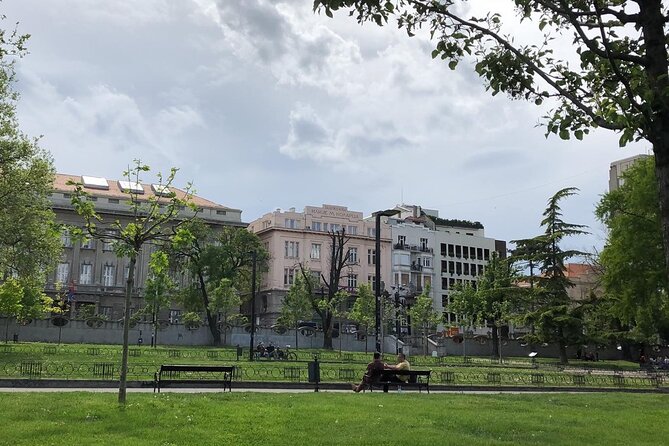
Belgrade can feel hard to read at first. Its streets carry Ottoman, Serbian, Austro-Hungarian, royal, Yugoslav, and modern layers, but the clues are spread across a fairly broad central area. This walk links those clues in one route.
At $38.41 per person, the value comes less from paid entry and more from the guide’s interpretation. You are paying for a local explanation of why the buildings and monuments matter, plus a small group and a complimentary coffee or tea. If you want a tour that takes you inside every major sight, this is not it. If you want a strong map in your head before setting off alone, it is a sensible buy.
The tour begins at 11:00 at Kosovska 47. Wear comfortable shoes and arrive ready to walk for up to three hours. Transportation is not provided, so you should make your own way to the start and from the ending point.
The advertised group limit of six matters here. On a history walk, a large crowd can turn every explanation into a speech. A small group makes it easier to ask about Serbian customs, royal politics, religion, or the details that catch your eye.
More ways to see Belgrade on foot:
- Taxi to/from Belgrade Airport to/from Belgrade City Center
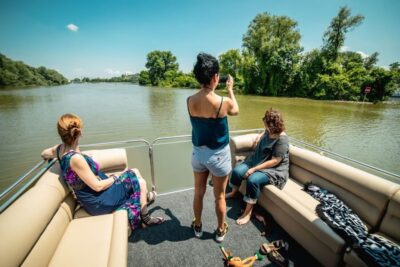
★ 5.0 · 241 reviews - Belgrade: Sightseeing Boat Cruise with Drinks
★ 5.0 · 103 reviews - Belgrade Sightseeing Half-Day Trip Old and New Belgrade
★ 4.5 · 71 reviews
St. Mark’s Church and the story of Serbian autonomy
The first stop is Crkva Svetog Marka, or St. Mark’s Church, with about 20 minutes allocated. The church is linked to Serbian political and royal history in a direct way. Mlan Obrenovic, the eldest son of Milos Obrenovic, is buried here, as are King Alexander I Obrenovic and Queen Draga.
The site carries an even earlier political meaning. In 1830, the sultan’s edict announcing Serbian autonomy within the Ottoman Empire was read at the place where the church now stands. That gives the opening stop real weight. You are not simply looking at a religious building. You are standing at a place connected with a major step toward modern Serbian statehood.
Admission is included for this stop. The time is enough for an introduction and some questions, though not for a long study of every architectural detail. I would pay close attention here, because the themes introduced at St. Mark’s Church, autonomy, monarchy, religion, and national identity, help explain later stops.
The National Assembly and Serbia’s political architecture
The House of the National Assembly is scheduled for about 15 minutes, with admission not included. The building was constructed between 1907 and 1936, after political and financial problems delayed the original plans.
Its long construction period mirrors the unsettled story of Serbia and Yugoslavia in the first half of the twentieth century. Konstantin A. Jovanovic was first entrusted with the project in 1892, while architect Jovan Ilkic later took over the work. The building involved several major architects and repeated changes to the plans.
You should think of this as an exterior explanation rather than an interior visit. The value is in understanding how a monumental parliament reflects the ambitions and interruptions of the state it served. The guide can also connect this building to the wider story of Serbian and Yugoslav parliamentary life.
If you want photographs, allow yourself a moment before moving on. The stop is short, and the building is one of the more imposing pieces of architecture on the route.
The Old Palace and the royal center of Belgrade
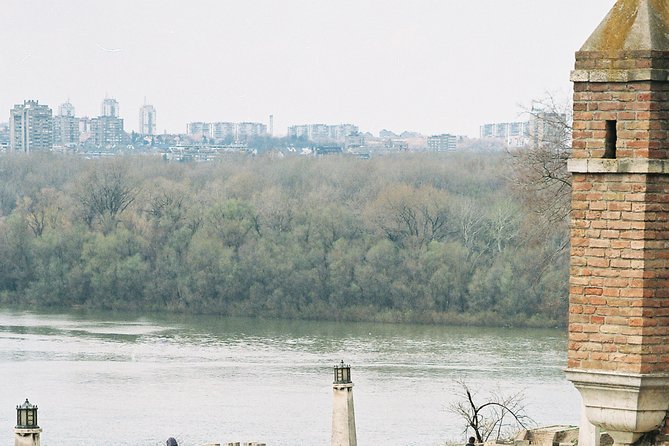
The Old Palace takes about 15 minutes and has no admission charge. Built between 1882 and 1884 for the Obrenovic dynasty, it now houses the City Assembly of Belgrade.
The palace was designed by Aleksandar Bugarski and is regarded as one of Serbia’s finest nineteenth-century examples of academic architecture. Its location at the corner of Kralja Milana and Dragoslava Jovanovića streets places it within the historic civic core of the capital.
This is a good stop for travelers who want to understand how royal power shaped central Belgrade. The building is not only a pretty facade. It points to the period when Serbia was presenting itself as a modern European kingdom and using grand public architecture to make that message visible.
Again, do not expect a full palace visit. The allotted time is for viewing and context from the street. That is enough to make a later independent visit more rewarding if the exterior catches your interest.
A few more days out around Belgrade to weigh up
- Belgrade: 3-Hour Small Group Walking Tour
★ 5.0 · 180 reviews - Half-Day Sightseeing and Walking Tour of Belgrade City
★ 5.0 · 37 reviews - Belgrade Private Walking Tour with a Local
★ 5.0 · 19 reviews - Belgrade Old City 2-Hour Walking Tour
★ 5.0 · 15 reviews
Hotel Moskva and the Serbian coffee ritual
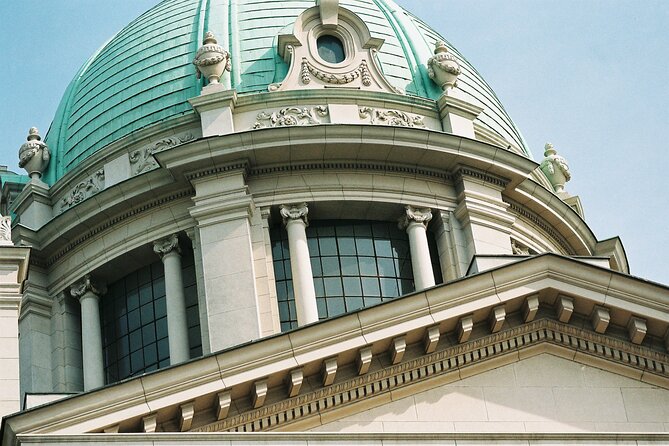
Hotel Moskva is one of the most appealing pauses on the walk. The hotel opened in 1908 on Terazije Square and is known for its Russian secession style. It remains a protected cultural monument and includes a cafe, restaurant, and spa.
The included coffee or tea is served as part of the tour. That matters because coffee in Serbia is presented here as a ritual, not merely a quick caffeine stop. This is where the walk shifts from monuments and state history to everyday culture.
The hotel has hosted notable figures including Albert Einstein and Robert De Niro, but the more useful part of the stop is the chance to sit down and talk. One particularly strong feature of the experience is this break at Hotel Moskva. It gives your feet a rest and creates room for questions that may not fit neatly beside a monument.
The price of the tour looks better when you count this pause as part of the experience. You are not just walking past a famous hotel. You are sharing a local custom in a historic setting.
Republic Square, Belgrade’s natural meeting point
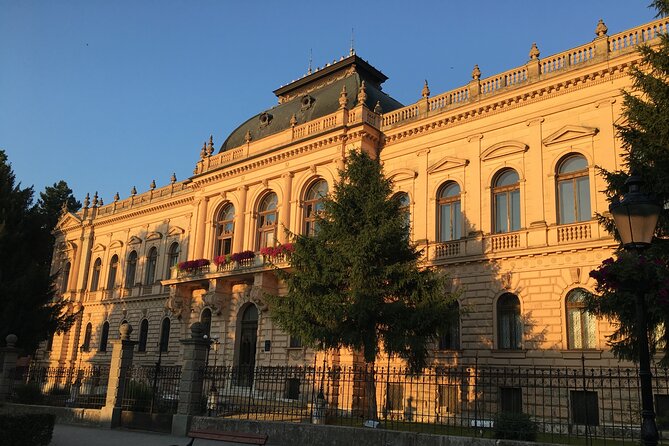
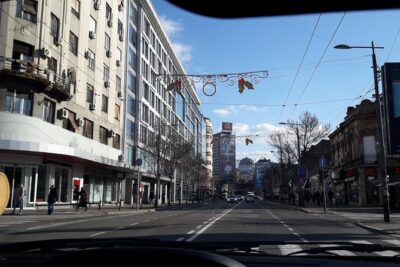
Republic Square is planned as another 15-minute stop. It is the central meeting place for Belgrade residents and occupies the area where gates once led into the city.
This is an important orientation point. If you are staying in central Belgrade, you may pass through here several times, so hearing its role early helps you understand the city’s daily rhythm. It also gives the guide a chance to explain how the old city limits relate to the present urban center.
I find stops like this especially useful because they connect formal history to practical travel. You learn where the city gathers, how the center developed, and which streets are likely to become familiar during your stay.
The stop is listed without included admission, but the square itself is a public place. The main value comes from the explanation and the link to nearby sights.
Serbian customs, religion, and local identity
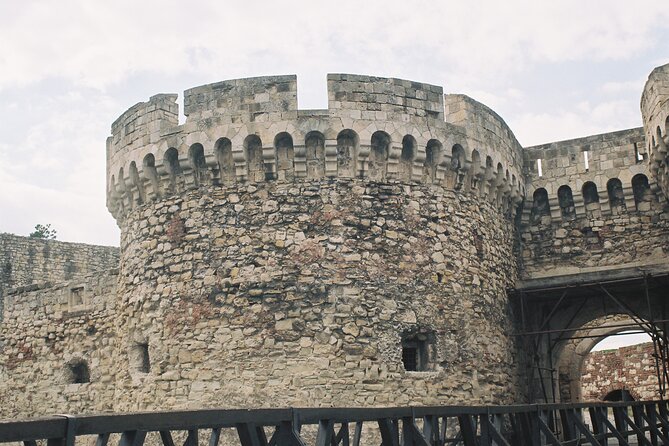
The route also includes a period devoted to Serbian roots, religion, mentality, history, and heritage. The exact length of this part is not clearly separated from the surrounding stops, so you should treat it as part of the walking commentary rather than a separate museum visit.
This is where Aleksandar’s local perspective matters most. You can ask about customs and celebrations that are specific to Serbia, and the tour is designed to go beyond dates and building names. That personal exchange is one reason a group of six or fewer is useful.
The balance may depend on your interests. Some people will welcome time spent on Serbian identity and politics. Others may prefer a more rigid march through the listed attractions. If you have strong preferences, explain them at the beginning. One past experience with the tour found the discussion more political and less faithful to the expected route, while the other feedback emphasizes clear explanations and a balanced historical view. That makes an early conversation with the guide a smart move.
Nebojša Tower and the fortress district

Nebojša Tower receives about 25 minutes and is listed with free admission. The provided description emphasizes Serbian customs and celebrations at this part of the route, so the exact focus may connect the tower with broader stories about local life and history.
The tower sits in the wider Kalemegdan and Belgrade Fortress area, where the city’s military past and river geography come together. This is a section where you should listen for connections rather than expect a long standalone visit to the tower.
Because the walking route covers many subjects, you may find that some stops feel more like guided viewpoints than complete attractions. That is not a flaw if you are using the tour to plan later visits. It would be a limitation if Nebojša Tower is your main reason for booking and you want a detailed interior exploration.
The Monument of Gratitude to France
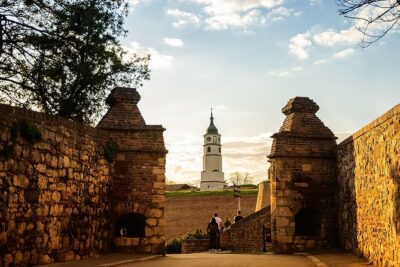
The Monument of Gratitude to France stands at the end of the main alley in Kalemegdan Park. Sculptor Ivan Meštrović created it, and it was erected in 1930.
The 10-minute stop is brief, but the monument opens a window onto Serbia’s international relationships and wartime memory. Its position along the park’s main path makes it easy to include while moving toward the fortress and river views.
This is a good example of why a guide adds value to a walking route. A monument can be visually striking but easy to pass without understanding. Here, the short explanation gives it a place in Belgrade’s wider story.
Kalemegdan Park and Belgrade Fortress
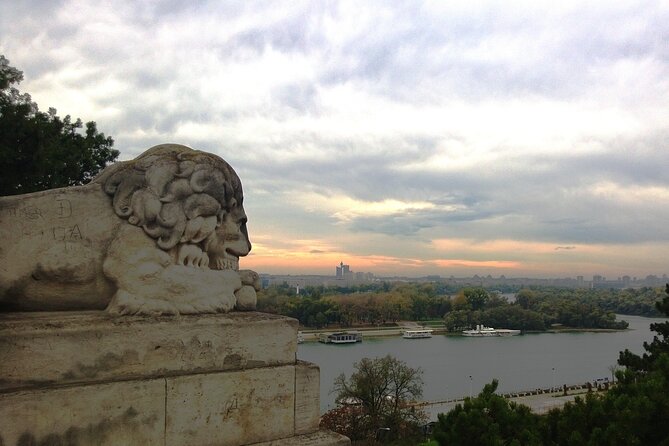
The longest stop is the 45 minutes set aside for Kalemegdan Park and Belgrade Fortress. Admission is free, and this is likely the scenic high point of the walk.
The fortress and park form the historic core of Belgrade, located at the meeting point of the Sava and Danube rivers. The setting explains much about the city’s importance. The fortress controlled a strategic position, while the park now offers a broad public space above the rivers.
Fortress areas reward slow movement, but 45 minutes still gives you only an introduction. I would use the guide’s time to understand the layout, the role of the citadel, and the river junction. Then return later if you want a more relaxed visit.
The park is also where the tour’s mix of history and city orientation pays off. You are learning what the fortress meant, while also seeing where Belgrade sits geographically. That combination makes the area easier to revisit on your own.
The Victor monument and the final city view
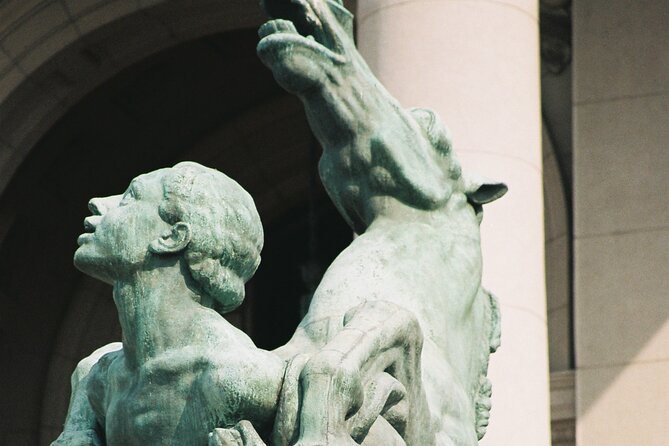
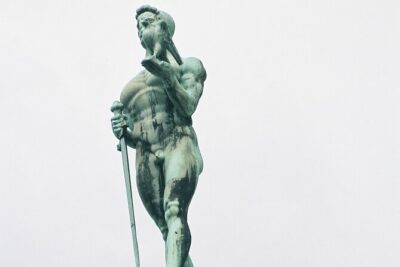
The final named stop is Pobednik, the Victor monument, with about 15 minutes. Created by Ivan Meštrović, the naked male figure holds a sword in his right hand and a falcon in his left, representing war and peace.
The monument honors the Serbian army’s victory in the Balkan Wars. Its earlier concept was much more elaborate: a fountain intended for the center of Belgrade on Terazije Square. The First World War interrupted that plan, and the monument took its present role in the fortress area.
The Victor has become one of Belgrade’s best-known symbols. Its location also makes the final stop feel well chosen, since you can connect the figure with the fortress, the rivers, and the city spread below.
Admission is not included, although the listed stop does not require a separate paid entry. The main thing you need is time to listen and look. This is a strong place to finish because it leaves you with both a recognizable image of Belgrade and a clearer sense of how its military and political past shaped the city.
What the $38.41 price really buys you
At $38.41, the tour is reasonably priced for a small-group city walk, especially with a complimentary hot drink. The cost is less attractive if you expect admission to several interiors, private transportation, or a long stop at each landmark.
You are paying for:
- A two to three hour English-language walk
- A maximum group size of six
- Local interpretation from Aleksandar Bastic
- A broad route through central Belgrade
- Coffee or tea as part of the experience
- An introduction to Serbian customs, religion, politics, and history
Transportation is not included, and some attractions list admission as not included. In practice, most of the appeal comes from public spaces, exterior architecture, and the guide’s explanations rather than paid entry.
I would book it early in a Belgrade visit, especially since it is commonly reserved around eight days ahead. The 11:00 start leaves the rest of the day open for a museum, a longer fortress visit, or independent wandering.
Who will get the most from this experience
This tour suits you if you are visiting Belgrade for the first time, want a quick orientation, and prefer history explained by a local guide. It is also a good fit if you like asking questions and want a small group rather than a large city crowd.
It works well for independent travelers who plan to explore further after the walk. You can mark the National Assembly, Hotel Moskva, Republic Square, and Kalemegdan for later visits without spending your first day trying to find them.
You may want another kind of tour if your priority is extensive interior access, a strictly fixed route, or a narrow focus on architecture. The route covers a lot, so the stops are selective. Also, the political and cultural discussion may be more prominent than some visitors expect.
The walk is available in English, service animals are allowed, and most people can participate. Light rain did not prevent one reported experience from being enjoyable, but comfortable shoes and weather protection remain sensible for an outdoor route.
Should you book the Belgrade City Walk?
I would book this tour if you want a friendly, compact introduction to Belgrade with real historical context. Aleksandar Bastic is repeatedly described as warm, clear, enthusiastic, and able to adjust his explanations to individual interests. The strongest parts are the easy pace, small group, local perspective, and coffee at Hotel Moskva.
I would hesitate only if you want every advertised stop followed in exact order or expect a museum-style tour with long interior visits. Tell Aleksandar what you want from the walk before setting out, then use the route as a foundation for your own exploring.
With a 4.8 rating and 95 percent recommendation rate, the overall record is strong, but the experience is best for someone comfortable with conversation and interpretation. Book it near the start of your stay, bring questions, and save extra time for Kalemegdan after the guided portion ends.
FAQ
How long does the Belgrade City Walk last?
The experience lasts approximately two to three hours. The stated start time is 11:00 am.
Where does the tour begin?
The meeting point is Kosovska 47, Beograd 11000, Serbia.
Where does the tour end?
The end point is in front of the Belgrade City Library on Knez Mihailova Street. The information gives the location as Kneza Mihaila 54a and also refers to 56 Knez Mihailova street.
Is coffee included?
Yes. Coffee or tea is included, with the coffee presented as part of the Serbian coffee ritual.
How many people can join the tour?
The tour has a maximum of six travelers.
Can I cancel for a full refund?
Yes, if you cancel at least 24 hours before the experience start time. Cancellations made less than 24 hours before the start time are not refunded, and the provider may offer another date or a full refund if the minimum number of participants is not met.
Just added around Belgrade
- Private Walking Tour of Belgrade and Old Zemun★ 5.0 · 3 reviews
- Feel Belgrade Welcome tour★ 4.5 · 3 reviews
- From Belgrade: Danube Day Trip with Wine and Brandy Tasting★ 5.0 · 3 reviews
- Private Half Day Serbia Tour Novi Sad and Petrovaradin Fortress★ 5.0 · 3 reviews
- Private Wine Tasting by Party in Belgrade★ 5.0 · 3 reviews
- Belgrade: The White Emigration in Serbia in the Wake of the Russian Revolution★ 5.0 · 3 reviews
- Zica and Studenica monastery From Belgrade★ 5.0 · 3 reviews
- E-Scooter Serbian Food Tour★ 5.0 · 3 reviews
Belgrade Walking & Sightseeing Tours, compared.
Belgrade Sightseeing Half-Day Trip Old and New Belgrade
Read our review →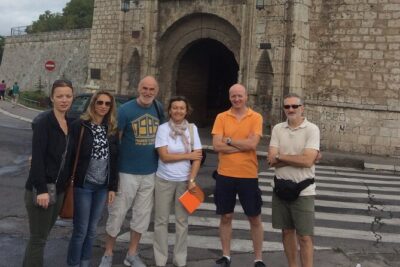
Half-Day Sightseeing and Walking Tour of Belgrade City
Read our review →
2 hours / Sightseeing Boat cruise Drinks Included
Read our review →
Browse the lists this tour appears in