
Reviewed · BELGRADE WALKING & SIGHTSEEING TOURS
Half-Day Sightseeing and Walking Tour of Belgrade City
Belgrade’s story unfolds best on foot, and this tour links royal buildings, Ottoman traces, grand monuments, and the Danube-Sava meeting point in one compact outing. Aleksandar Bastic is known for explaining Serbia’s complicated past in clear, human terms, while the group size of six or fewer keeps the walk personal.
I like the route’s two strongest features: a useful first look at central Belgrade and the chance to ask about history, politics, food, and daily life as you walk. The included coffee also gives the tour a local ritual, not just a quick checklist of sights. One thing to watch: the advertised language is English, and a past booking selected Russian but received an English tour without advance warning, so confirm the language before paying.
Key points to know before you book
- Small groups of six or fewer: You get more room to ask questions and a better chance of a flexible conversation with the guide.
- A strong first-day route: The walk connects St. Mark’s Church, royal buildings, Knez Mihailova, and Kalemegdan.
- History with local context: Aleksandar explains Serbia, Yugoslavia, the Balkans, and the forces that shaped modern Belgrade.
- Coffee is part of the experience: Serbian coffee is treated as a ritual, and a stop is included.
- Mostly an outdoor walk: The tour takes about two to three hours, with much of the time spent on city streets, squares, and fortress grounds.
- Check your language carefully: English is the stated language, but Russian has been available on some departures. Confirm what you will receive.
Why this Belgrade walk works as a first introduction
Belgrade can feel spread out and historically layered. Roman, Byzantine, Ottoman, Habsburg, royal Serbian, socialist, and modern influences all appear in different corners of the city. A short guided walk helps you connect those pieces before you explore on your own.
This route begins near the National Assembly at 11:00 and works toward Knez Mihailova and Kalemegdan. That direction makes sense. You begin with the political and royal center, then move into the pedestrian heart of town before ending at the old fortress above the rivers.
You should expect a fairly full two to three hours. The listed stop times add up to more than that, so the schedule is best understood as an approximate route rather than ten long formal visits. You will be walking between sights, stopping for explanations, and likely pausing for coffee.
The strongest part of the experience is the guide’s storytelling. Aleksandar is praised for making difficult subjects understandable, from medieval Serbia to Yugoslavia and current Serbian life. He also offers suggestions for restaurants, nightlife, and other activities, which is useful if you take this early in your stay.
More ways to see Belgrade on foot:
- Taxi to/from Belgrade Airport to/from Belgrade City Center
★ 5.0 · 241 reviews - Belgrade: Sightseeing Boat Cruise with Drinks
★ 5.0 · 103 reviews - Belgrade Sightseeing Half-Day Trip Old and New Belgrade
★ 4.5 · 71 reviews
St. Mark’s Church and the medieval Serbian legacy
The first major stop is Crkva Svetog Marka, or St. Mark’s Church. The visit focuses on the tomb and sarcophagus of Emperor Stefan Uroš IV Dušan, one of medieval Serbia’s most important rulers.
Dušan ruled as king from 1331 to 1346 and as Emperor of the Serbs, Greeks, and Albanians from 1346 to 1355. His title reflects the wide territory and ambition of medieval Serbia at its height. This is a good early lesson in why Serbian history cannot be reduced to a simple story of one city or one empire.
You are allowed about 20 minutes here, and there is no separate admission charge. The church stop also brings a practical point: modest clothing may be needed if you want to enter. One family found that a child in shorts needed his legs covered, and the guide helped with a coat so he could see the interior.
That detail matters if you are walking with children. Bring clothing suitable for religious sites, especially if your day includes more churches beyond this tour. The focus here is history and the tomb, not a long architectural visit.
The Old Palace and Belgrade’s royal center
The Old Palace gives the walk a change of mood. Built between 1882 and 1884 for the Obrenović dynasty, it now houses the City Assembly of Belgrade. Its corner location at Kralja Milana and Dragoslava Jovanovića streets makes it easy to view from the outside.
The building is one of Serbia’s notable 19th-century academic-style works. The tour allows about 30 minutes, the longest stop before the fortress, so you should get time for the guide to explain the palace, the Obrenović family, and the development of modern Serbian government.
You will not be booking an interior palace tour. The attraction here is the exterior, the setting, and the political story attached to it. That is typical of this experience: it gives you context for places you can later revisit, rather than offering extended indoor access.
The National Assembly, Terazije, and Prince Mihailo
The tour starts in front of the National Assembly of the Republic of Serbia, so you may first see this grand building before walking onward. Its construction took almost 30 years, slowed by war, limited funds, and disagreement within society.
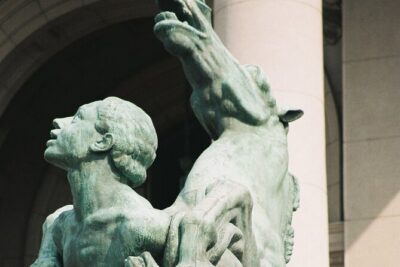
The sculpture group Play of the Black Horses adds a memorable visual detail outside the building. You get about 15 minutes here. That is enough to take in the façade and hear why a building intended to represent the Serbian state took so long to complete.
Next comes Terazije Fountain, built in 1860 as both a useful water source and a decorative feature. The stop lasts about 15 minutes. It is a small landmark, but it helps explain how central Belgrade developed around public squares, water, transport, and civic life.
At nearby Republic Square, the Prince Mihailo Monument provides another link to the 19th-century Serbian state. Enrico Pazzi created the monument, while Konstantin Jovanović designed the decorative reliefs. Prince Mihailo Obrenović is also connected to the later Keys Handover Memorial near the fortress, so the guide can tie these stops into a single political story.
A few more days out around Belgrade to weigh up
- Belgrade: 3-Hour Small Group Walking Tour
★ 5.0 · 180 reviews - Belgrade Private Walking Tour with a Local
★ 5.0 · 19 reviews - Belgrade City Walk, Gathering and Sightseeing
★ 5.0 · 19 reviews - Belgrade Old City 2-Hour Walking Tour
★ 5.0 · 15 reviews
Knez Mihailova, Belgrade’s pedestrian spine
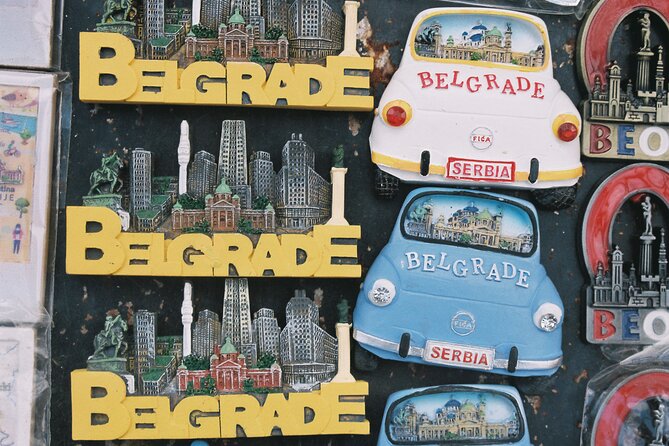
Knez Mihailova is the social center of this walk. This broad pedestrian street runs through central Belgrade toward Kalemegdan Fortress, making it both a sightseeing route and a place where you can watch everyday city life.
The tour allows about 20 minutes here. You will not have much time for shopping or a long café stop, but the street gives you a pleasant transition from government buildings to the older fortress district.
I like this part because it makes the tour feel like a city walk rather than a parade of monuments. You can see how Belgrade’s formal center connects with its public spaces, shops, cafés, and walking culture. It is also a useful place to remember for later, since the tour ends not far away at the Belgrade City Library.
Kalemegdan Park and the Belgrade Fortress
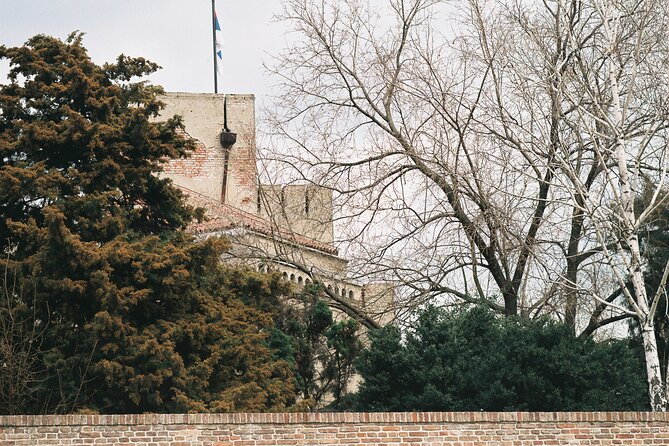
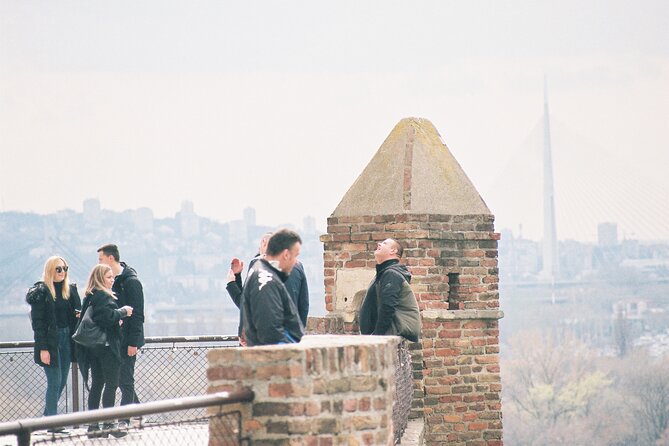
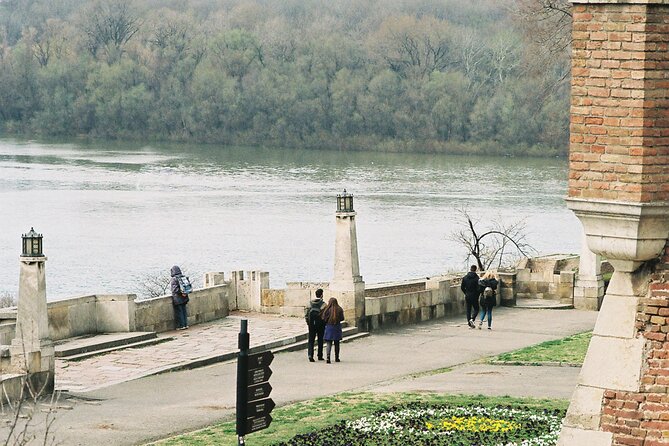
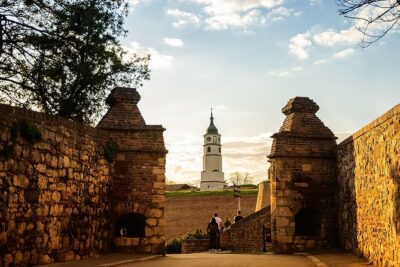
Kalemegdan is the main event. The fortress occupies a strategic ridge where the Sava and Danube meet, a position that controls the surrounding plain and explains why people have lived and fought here since prehistoric times.
The tour gives this area about 45 minutes, more than any other stop. That is sensible. Kalemegdan is not one single building. It is a large historic zone with parkland, walls, gates, lookout points, and layers of military history.
You should expect an overview rather than a full fortress study. One guest felt the explanation of Kalemegdan could have gone further, so history fans who want detailed military architecture may want to return on their own. The value of the guided stop is that you learn why this ridge mattered and how Belgrade’s position shaped its fate.
The river views are an important part of the visit. From the fortress area, you can understand the geography that made Belgrade strategically important and still gives the city much of its character. You will also have a chance to ask the guide how the city’s history connects with the wider Balkan region.
The Clock Tower and Ottoman Belgrade
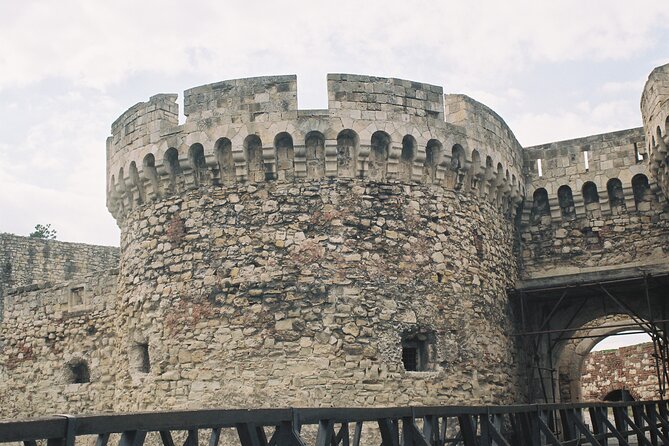
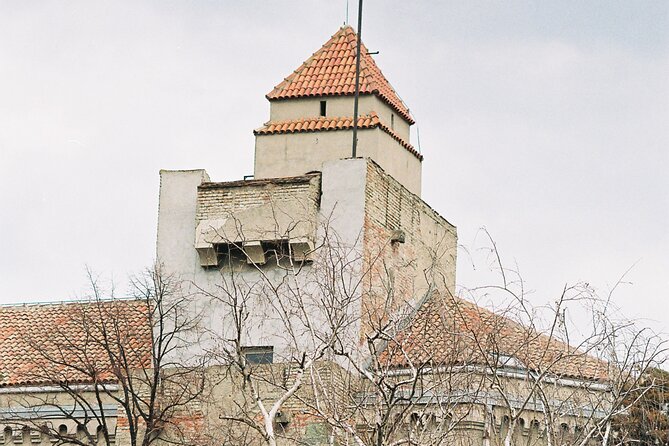
Within the fortress area, the Clock Tower, or Sahat Kula, adds an Ottoman-era chapter. Construction began under Austrian rule and was completed under Ottoman rule between 1740 and 1789.
The stop is brief, about 10 minutes, but the building neatly captures Belgrade’s shifting political control. A single structure reflects the movement between Austrian and Ottoman power, a pattern that appears again and again in the city’s past.
Do not expect to climb the tower or spend a long time inside. The point is the date, the changing rulers, and the way the fortress preserves several periods in one setting.
French friendship and Serbia’s road to independence
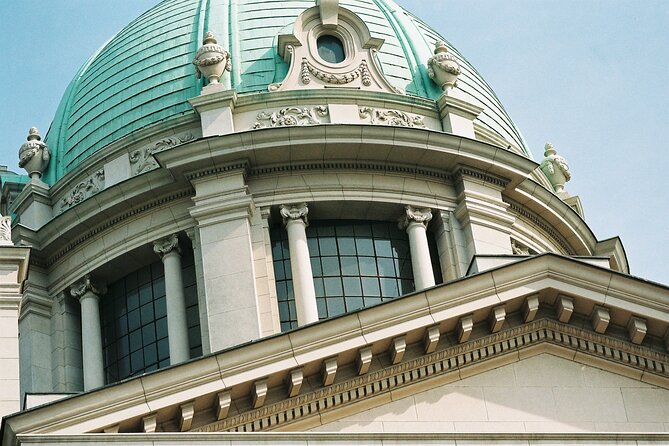
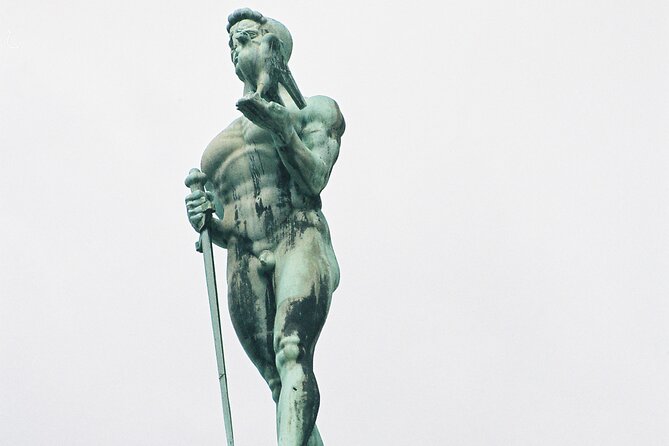
Near Kalemegdan, the Monument of Gratitude to France commemorates friendship and cooperation between Serbia and France during World War I. It provides a reminder that Serbia’s modern identity was shaped not only by regional conflict but also by international alliances.
The tour allows about 15 minutes. That is enough for a clear explanation and a close look at the monument, though the guide’s interpretation will matter more than the stop’s length.
The final historic stop is the place where the city keys were handed to the Serbs in 1867. On April 6 of that year, Ottoman representatives gave the keys to several Serbian fortresses to Prince Mihailo Obrenović. It was an important step toward Serbia’s wider international recognition, which followed at the Treaty of Berlin in 1878.
This is one of the most useful stops for understanding the transition from Ottoman control to an independent Serbian state. It links the Prince Mihailo Monument, the Obrenović dynasty, and the fortress into one story instead of leaving them as separate facts.
Serbian coffee and the end near the City Library
Coffee is included, and that small detail gives the walk a more personal finish. In Serbia, coffee is not simply something you drink quickly between sights. It is a social ritual, and the pause gives you time to ask questions in a less formal setting.
The end point is in front of the Belgrade City Library at 56 Knez Mihailova Street, listed as Kneza Mihaila 54a. That places you back in the central pedestrian district, with no arranged transport afterward and no lunch included.
You should plan your next meal separately. The tour ends at a useful location for continuing on foot, but the experience itself is not a food tour. The coffee is a cultural pause, not a replacement for lunch.
The guide makes the difference
The highest praise goes to Aleksandar Bastic and the other local guides associated with the experience. Aleksandar is described as friendly, personable, and able to handle sensitive questions about Serbia and the region with care.
That matters in Belgrade. The city’s past includes monarchy, Ottoman rule, World War I, Yugoslavia, socialism, war, and political change. A guide who can explain those subjects without turning the walk into a lecture adds real value.
The group limit of six helps. A small party makes it easier to stop for questions, adjust the pace, or take a short detour. One solo participant had an especially personal experience because the weekday January departure was nearly private. Another departure was led by Milica, described as warm, professional, and attentive to the group.
The tour is offered in English. Some departures have been conducted in Russian, but the language arrangement has not always been handled clearly. If Russian is essential for someone in your group, contact the provider before booking and get confirmation. Do not assume that selecting Russian guarantees a Russian-speaking departure.
Traffic noise can also affect the experience. One person found it hard to hear some explanations on busy streets. Staying close to the guide and asking for a repeat is sensible, especially near major roads and open squares.
Is $38.34 a fair price?
At $38.34 per person, this is a reasonable price for a small-group history walk if you want orientation, local interpretation, and the ease of having someone connect the sights for you.
All listed attraction stops have free admission, so you are mainly paying for the guide’s time and preparation. That means the value depends heavily on how much context you want. If you are happy to read plaques and walk between sights alone, you can cover much of the route without paying an entry fee.
I think the price works best for a first day in Belgrade. You get a broad introduction, a coffee pause, useful suggestions for restaurants and nightlife, and a better sense of where to return. The small group is more valuable than the free admission, since it gives you a chance to shape the conversation.
The tour does not include transportation or lunch. The route is designed as a walking experience, and you should be ready to cover city streets and fortress paths. Most people can take part, service animals are allowed, and the meeting point is near public transportation.
Who should book this tour?
I would choose this for a first visit, especially if you have only a day or two in Belgrade. It covers the city center, royal Serbia, Ottoman-era traces, World War I memory, and the fortress in one manageable introduction.
It also suits solo visitors. The small group and conversational guide style can make a solo booking feel less awkward, and the guide can offer practical ideas for the rest of your stay.
Families can take part, but I would prepare children for a history-focused walk and make sure they have suitable clothing for church entry. If your main goal is a long, detailed exploration of Kalemegdan’s military structures, this may feel too brief. Use it as an overview, then return to the fortress independently.
The tour has a 4.9 rating from 37 reviews, with 95 percent of participants recommending it. Those numbers fit the main strengths: strong guiding, personal attention, and a broad introduction to Belgrade. The language concern and the limited fortress detail are the main reasons to think carefully before booking.
My recommendation
Book this tour if you want a well-paced introduction to Belgrade with a guide who can explain the city’s difficult past and point you toward good next steps. The history and personal conversation are the real product, not paid entry to monuments.
I would book it near the start of your stay, arrive ready to walk, and confirm the language if anyone in your group needs Russian. If you want a deep fortress examination or a full food experience, choose a more specialized tour or plan extra time at Kalemegdan and over lunch afterward.
FAQ
How long does the Belgrade sightseeing tour last?
The experience lasts approximately two to three hours. The listed time is approximate, and the walking route includes time between stops and a coffee pause.
What time and where does the tour start?
The tour starts at 11:00 am at Kosovska 47, Beograd 11000, Serbia. The National Assembly is also identified as the starting point for the walking tour.
Where does the tour end?
The tour ends at Kneza Mihaila 54a, in front of the Belgrade City Library at 56 Knez Mihailova Street.
What language is the tour offered in?
The stated language is English. Some departures have been conducted in Russian, but you should confirm the language with the provider before booking if Russian is required.
Is transportation included?
No. Transportation is not included. The experience is a walking tour, and the meeting area is near public transportation.
Is coffee included?
Yes. Coffee and/or tea is included. The experience presents Serbian coffee as a social ritual rather than just a quick beverage.
Can I cancel for a full refund?
Yes, if you cancel at least 24 hours before the local start time. Cancellations or changes made less than 24 hours before the start are not refundable, and the tour may be canceled if its minimum number of participants is not reached.
More Half-Day in Belgrade
- “Golden Standard” Private Half-Day Sightseeing Tour of Belgrade
★ 5.0 · 5 reviews
Just added around Belgrade
- Private Walking Tour of Belgrade and Old Zemun★ 5.0 · 3 reviews
- From Belgrade: Danube Day Trip with Wine and Brandy Tasting★ 5.0 · 3 reviews
- Feel Belgrade Welcome tour★ 4.5 · 3 reviews
- Private Half Day Serbia Tour Novi Sad and Petrovaradin Fortress★ 5.0 · 3 reviews
- Private Wine Tasting by Party in Belgrade★ 5.0 · 3 reviews
- Belgrade: The White Emigration in Serbia in the Wake of the Russian Revolution★ 5.0 · 3 reviews
- Zica and Studenica monastery From Belgrade★ 5.0 · 3 reviews
- E-Scooter Serbian Food Tour★ 5.0 · 3 reviews
Belgrade Walking & Sightseeing Tours, compared.
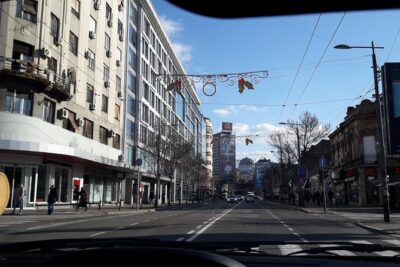
Belgrade Sightseeing Half-Day Trip Old and New Belgrade
Read our review →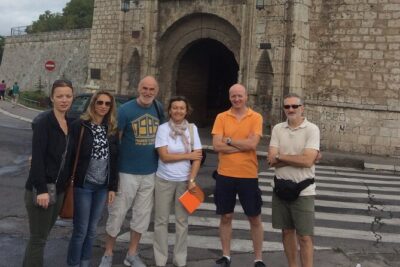
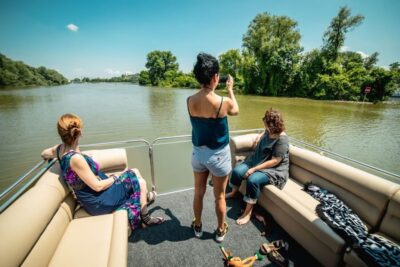
2 hours / Sightseeing Boat cruise Drinks Included
Read our review →
Browse the lists this tour appears in